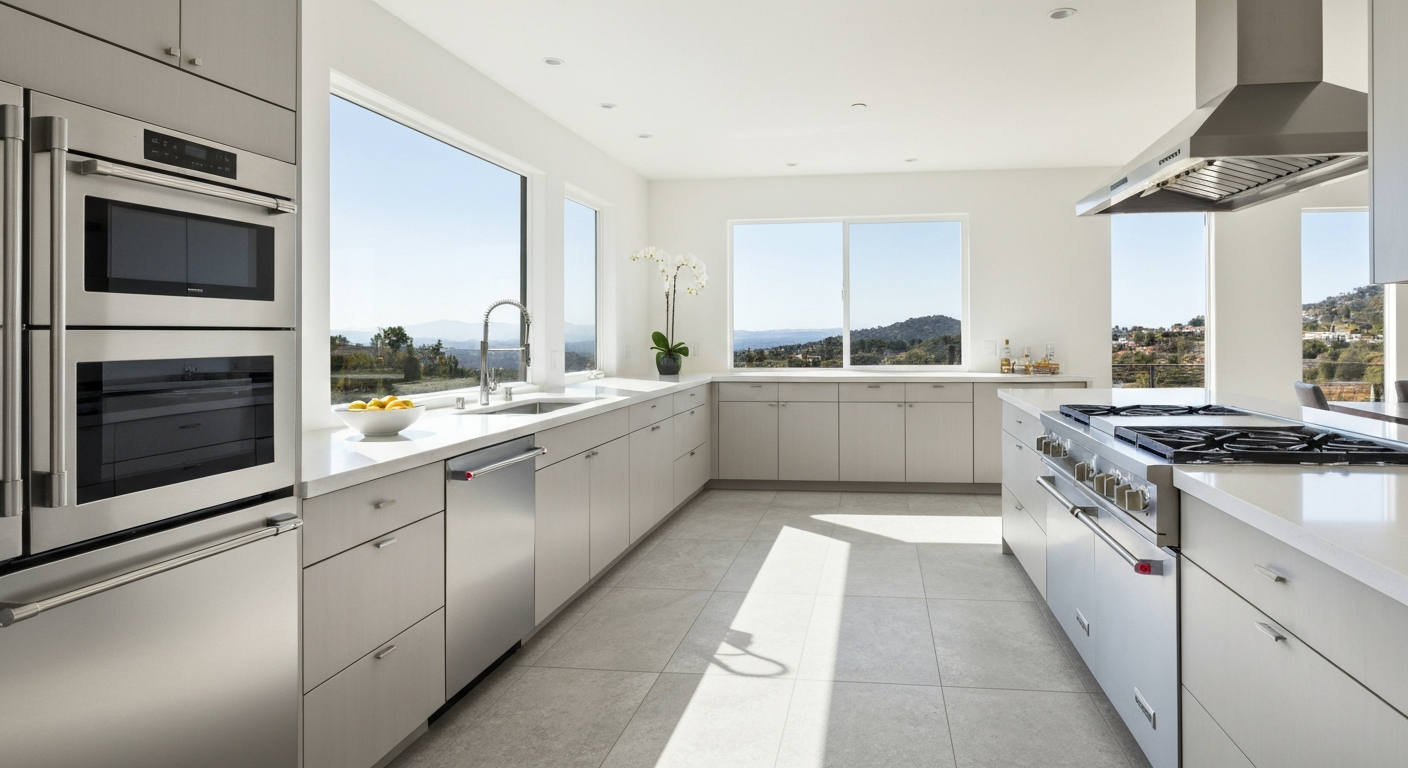
Accessory Dwelling Units (ADUs) have completely revolutionized real estate in Southern California. Whether you're looking to generate passive rental income, create a private guest house for aging parents, or build a dedicated home office, an ADU offers unparalleled flexibility.
Maximize your property's potential
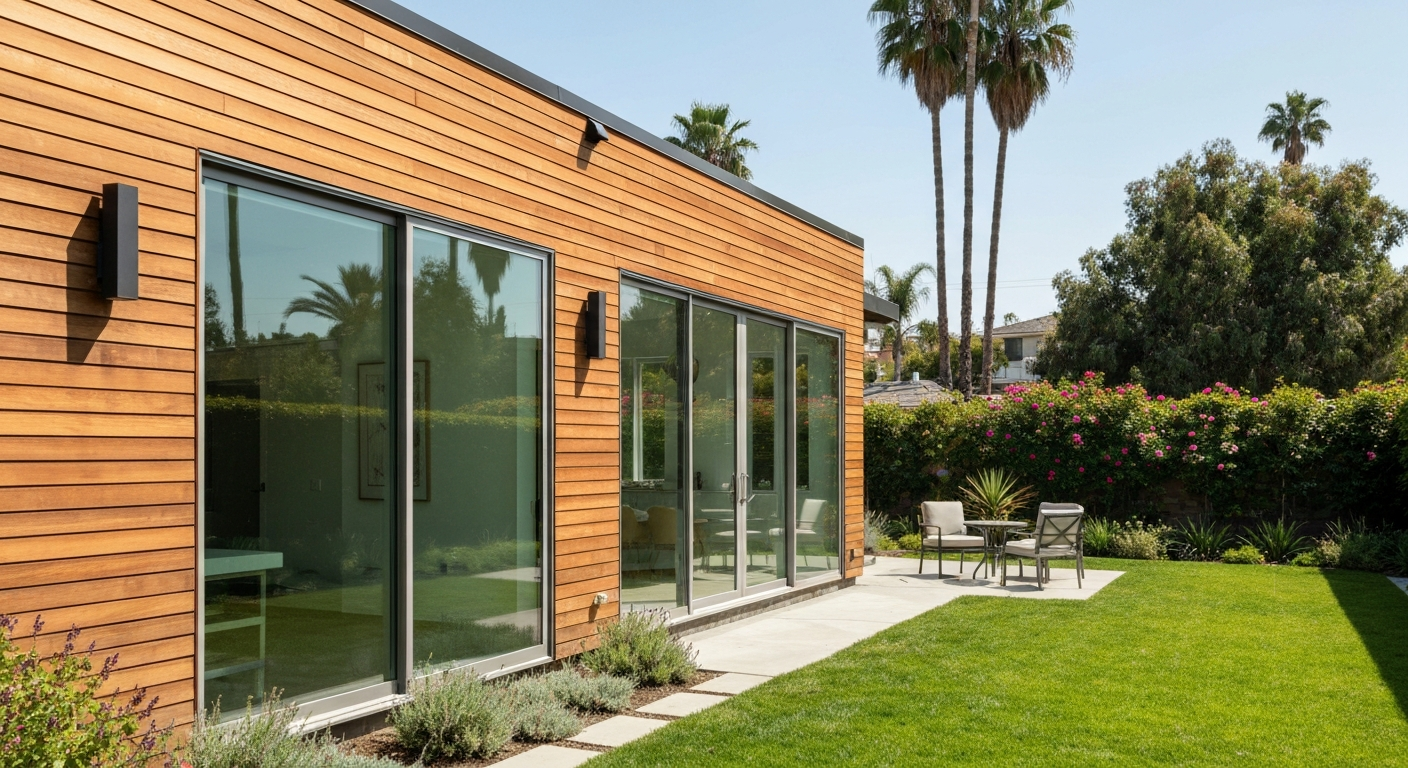
Featured Project
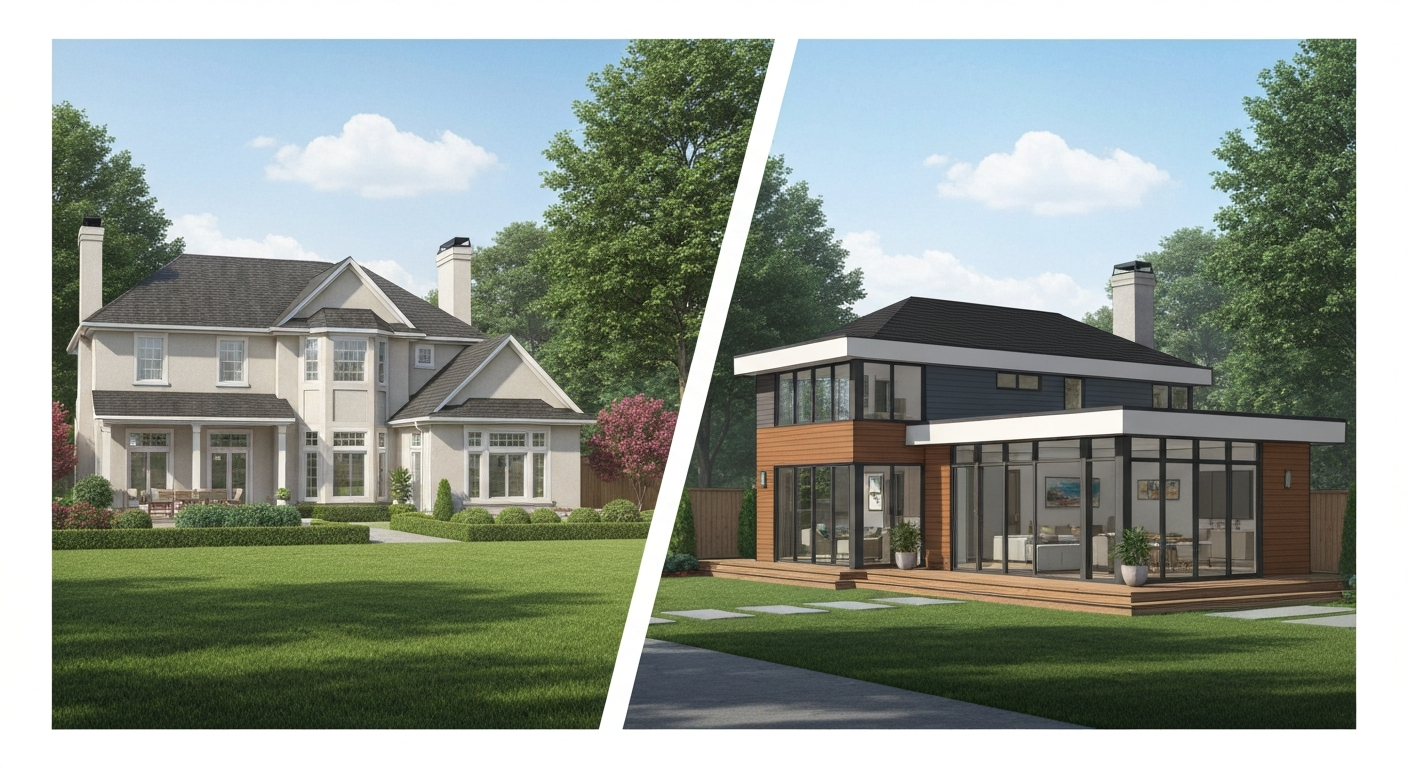
Modern Backyard Oasis
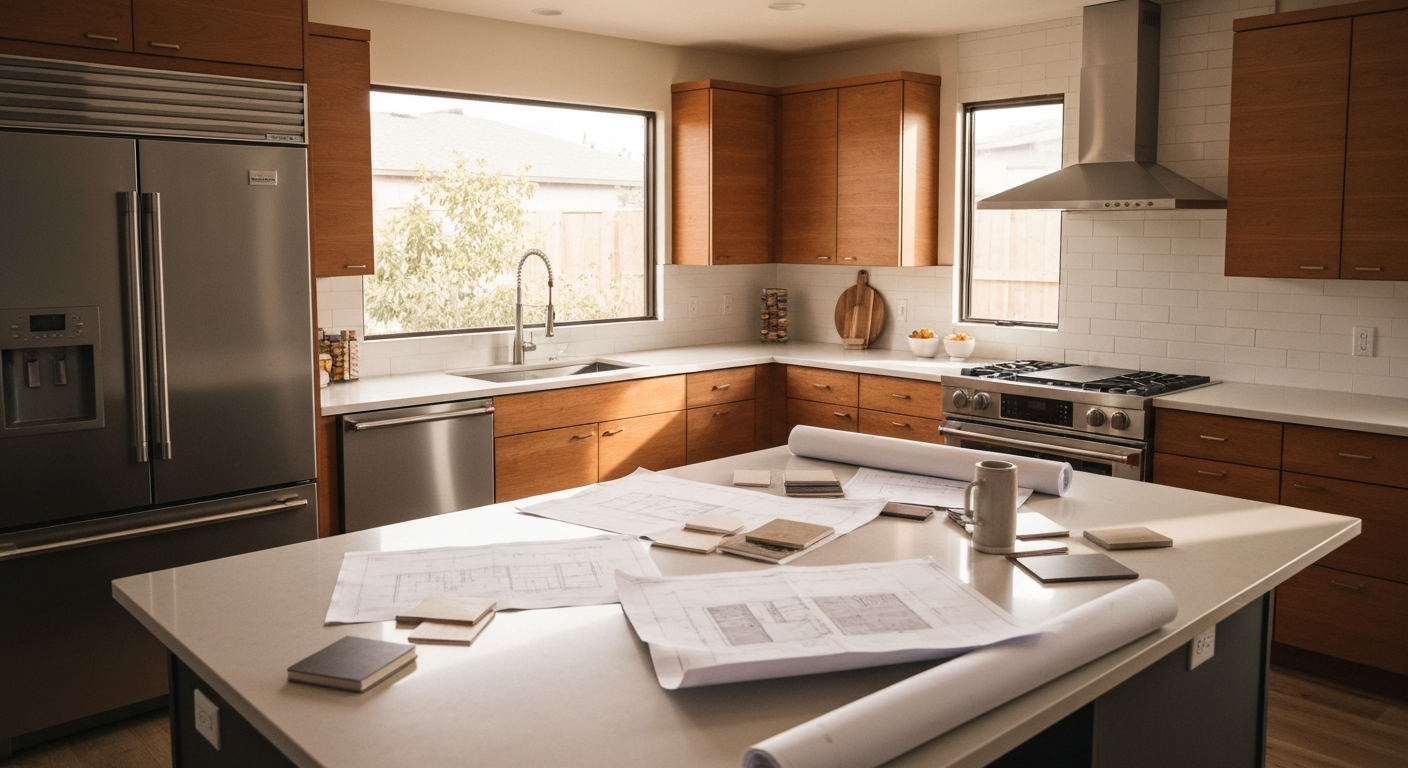
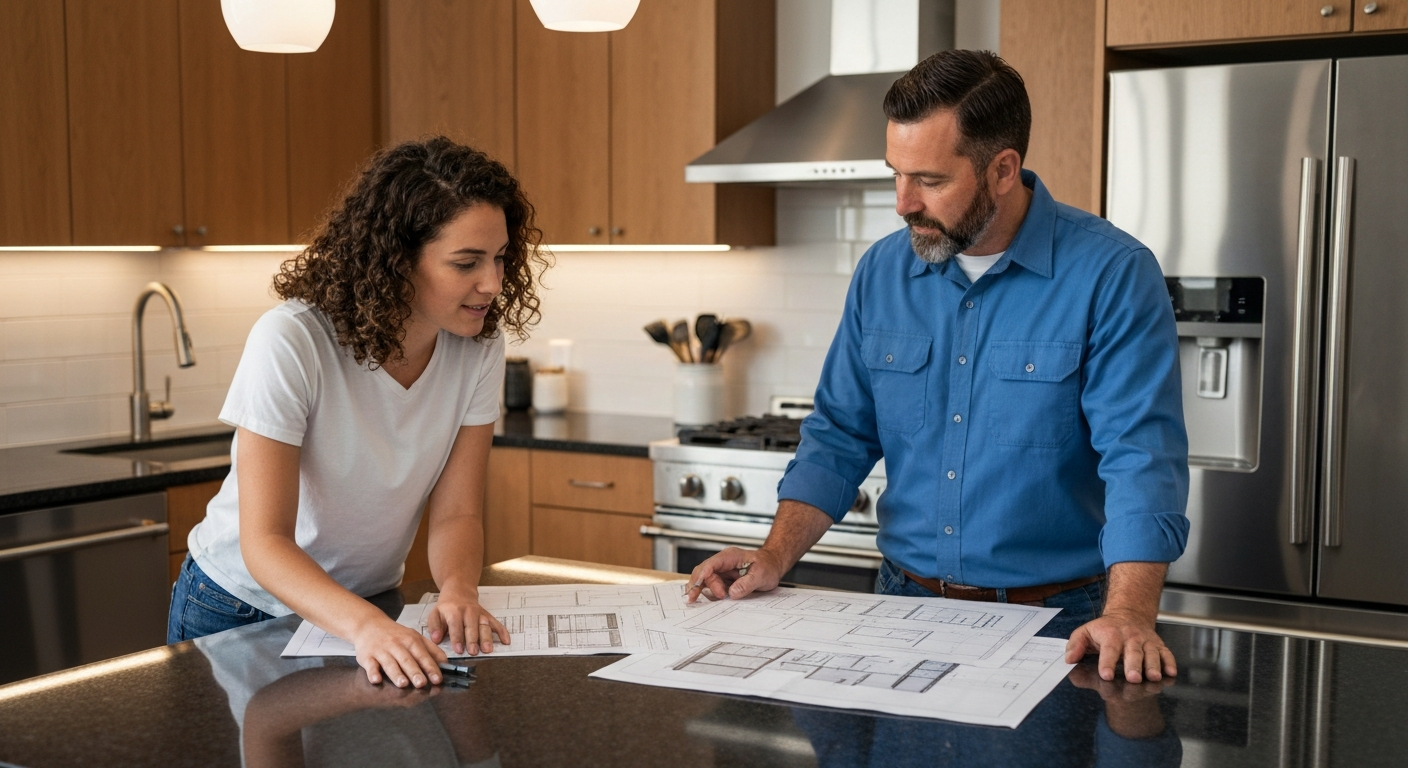
However, building a second unit on your property isn't as simple as dropping a tiny home in your backyard. Navigating local zoning laws, securing permits, and designing a space that feels both spacious and functional requires expert planning.
In this comprehensive guide, we'll walk you through everything you need to know about ADU Construction in Southern California, so you can make informed decisions and maximize your property's value without the stress.
1. Understanding the Types of ADUs
The first step in your ADU journey is determining which type of unit best fits your lot size, budget, and goals.
- Detached ADUs: A standalone structure in your backyard. Perfect for privacy and maximizing rental income. Usually up to 1,200 sq. ft.
- Attached ADUs: An addition built directly onto your existing home. Great for lots where a detached unit won't fit.
- Garage Conversions (JADUs): Transforming an existing garage into living space. Often the most cost-effective option since the foundation and framing already exist.
Curious About Your Property's ADU Potential?
Our experts can evaluate your lot, discuss local zoning laws, and help you design the perfect ADU for your needs.
Get a Free Site Evaluation2. Navigating Zoning Laws and Permitting
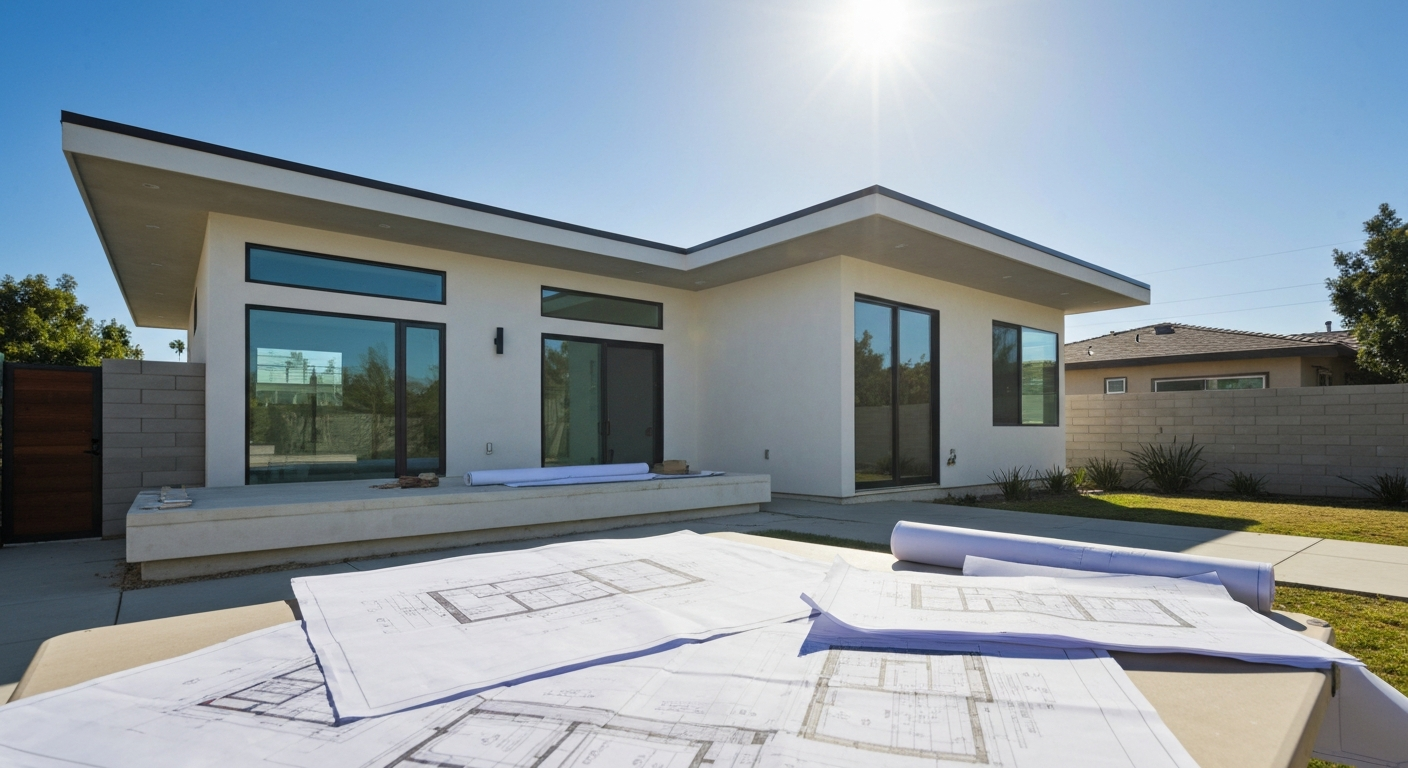
Recent California state laws have drastically reduced the red tape surrounding ADUs, but local city ordinances still apply. It's crucial to understand the rules before you start designing.
Key Regulations to Consider:
- Setbacks: Most cities require a 4-foot setback from side and rear property lines.
- Height Limits: Usually capped at 16 feet, though some cities allow up to 25 feet for two-story units.
- Parking: Parking requirements are often waived if you are within a half-mile of public transit.
- Owner Occupancy: Currently, state law prohibits cities from requiring owner-occupancy for ADUs built before 2025.
3. Smart Design for Small Spaces
Designing an ADU requires a completely different approach than designing a full-sized house. Every square foot must be maximized for functionality and comfort without feeling cramped.
- 01Vaulted CeilingsRaising the ceiling height draws the eye upward, making a small footprint feel expansive and airy.
- 02Abundant Natural LightIncorporate large windows, skylights, and glass sliding doors to blur the lines between indoors and outdoors.
- 03Multi-Functional Built-InsUse built-in seating with hidden storage, murphy beds, and fold-down desks to save floor space.
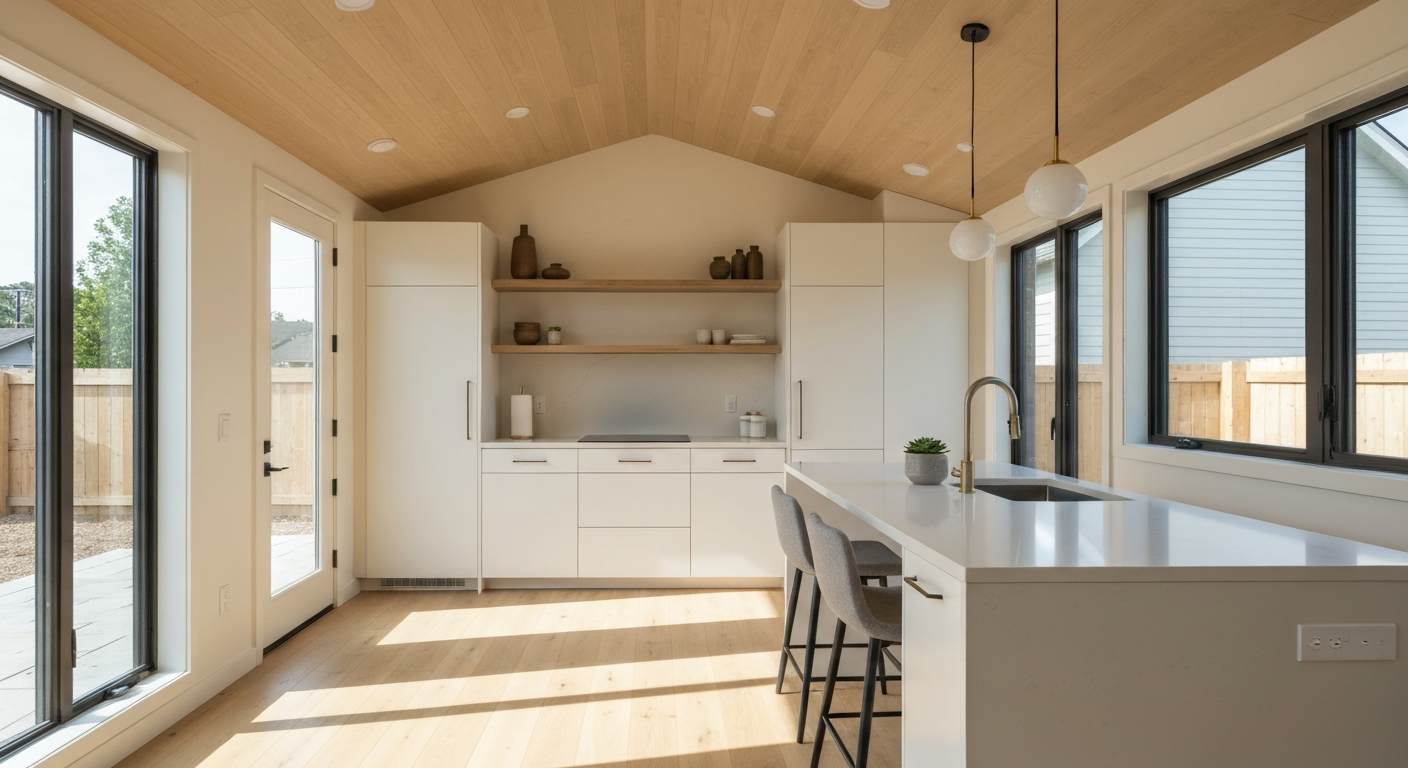
Smart, Spacious Interiors
Frequently Asked Questions
How much does it cost to build an ADU in Southern California?
Costs vary widely based on size, type, and finishes. A garage conversion might start around $90,000 to $120,000, while a new detached ADU typically ranges from $150,000 to $350,000+.
Does building an ADU increase my property taxes?
Yes, but only slightly. Your primary home will not be reassessed. The county will only assess the value of the new ADU construction and add that to your existing tax bill (known as a blended assessment).
How long does the entire ADU process take?
From initial design to final inspection, building an ADU usually takes 8 to 12 months. Design and permitting often take 3 to 5 months, and construction takes another 4 to 7 months.
Can I build a two-story ADU?
In many Southern California cities, yes. However, height limits are strictly enforced, and you may face pushback from neighbors regarding privacy. We can help you check your specific local zoning ordinances.
Do I need solar panels for my ADU?
Yes. Under California's Title 24 energy standards, all newly constructed detached ADUs must have solar panels installed. Garage conversions and attached ADUs are generally exempt from this requirement.
What is the difference between an ADU and a JADU?
An ADU can be up to 1,200 sq. ft. and can be attached or detached. A Junior Accessory Dwelling Unit (JADU) is limited to 500 sq. ft., must be contained entirely within the existing walls of the primary residence (like a bedroom or attached garage), and may share a bathroom with the main house.
Can I rent out my ADU on Airbnb?
Most Southern California cities prohibit short-term rentals (less than 30 days) for newly constructed ADUs to preserve long-term housing stock. However, you can rent it out for long-term leases (30+ days).
Why should I choose a design-build firm for my ADU?
A design-build firm like Venguard Construction handles everything under one roof—from architectural design and permitting to the final build. This ensures seamless communication, strict budget control, and a faster timeline compared to hiring a separate architect and contractor.