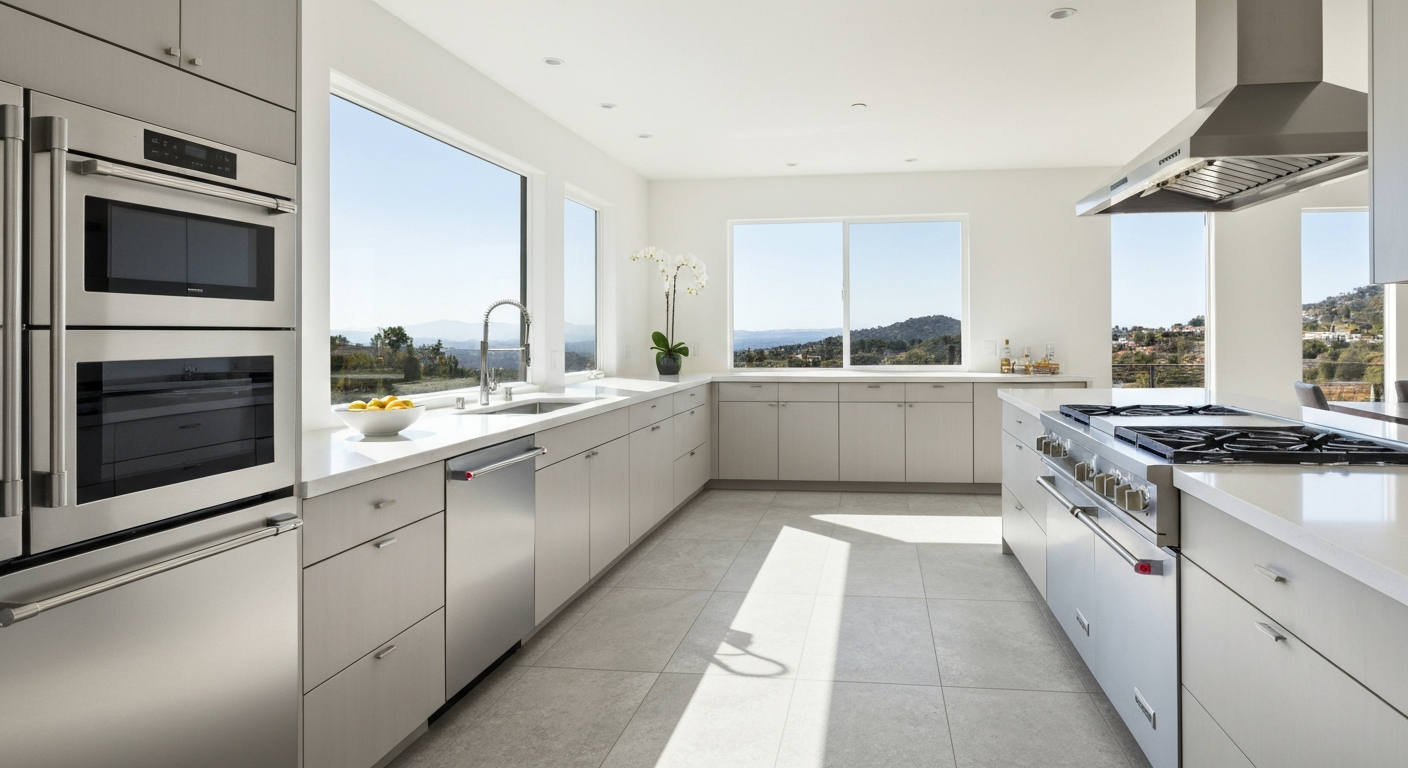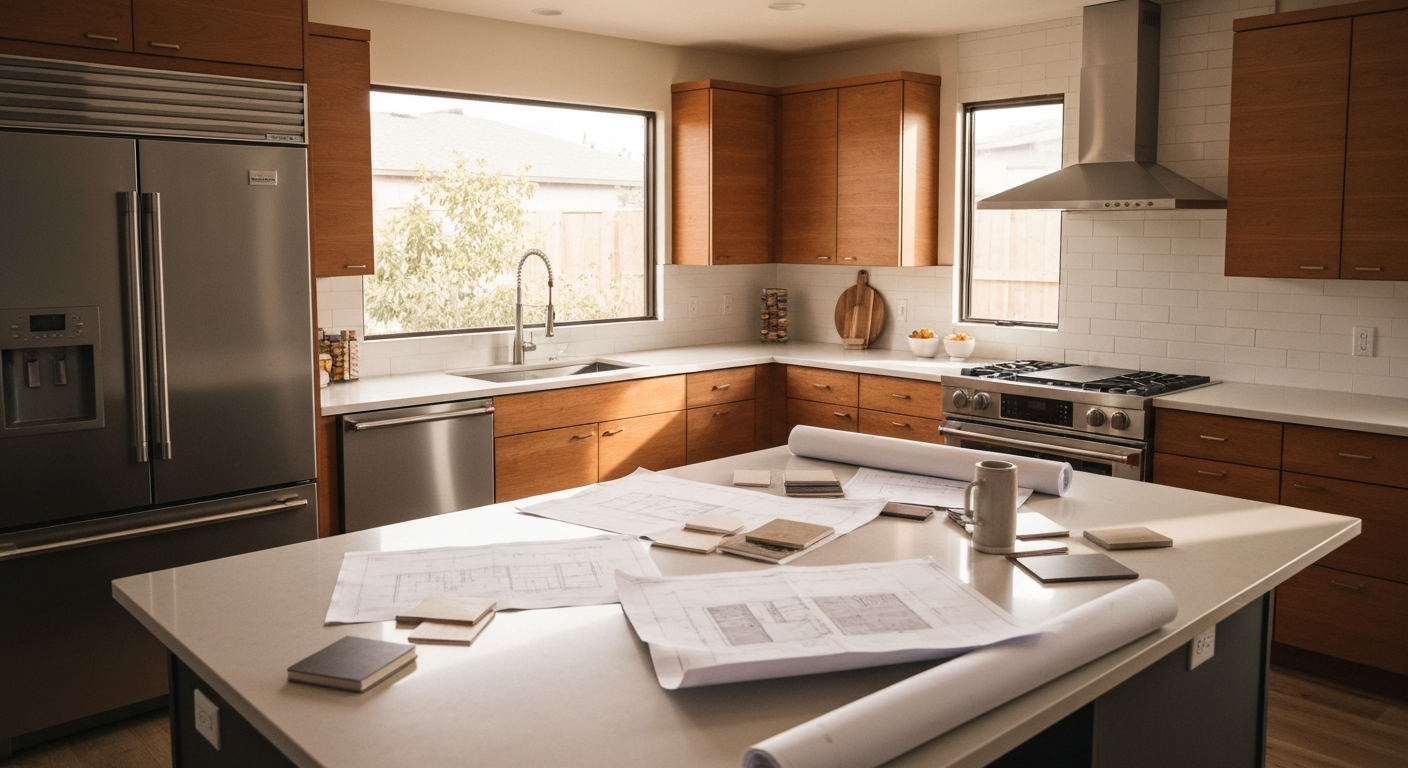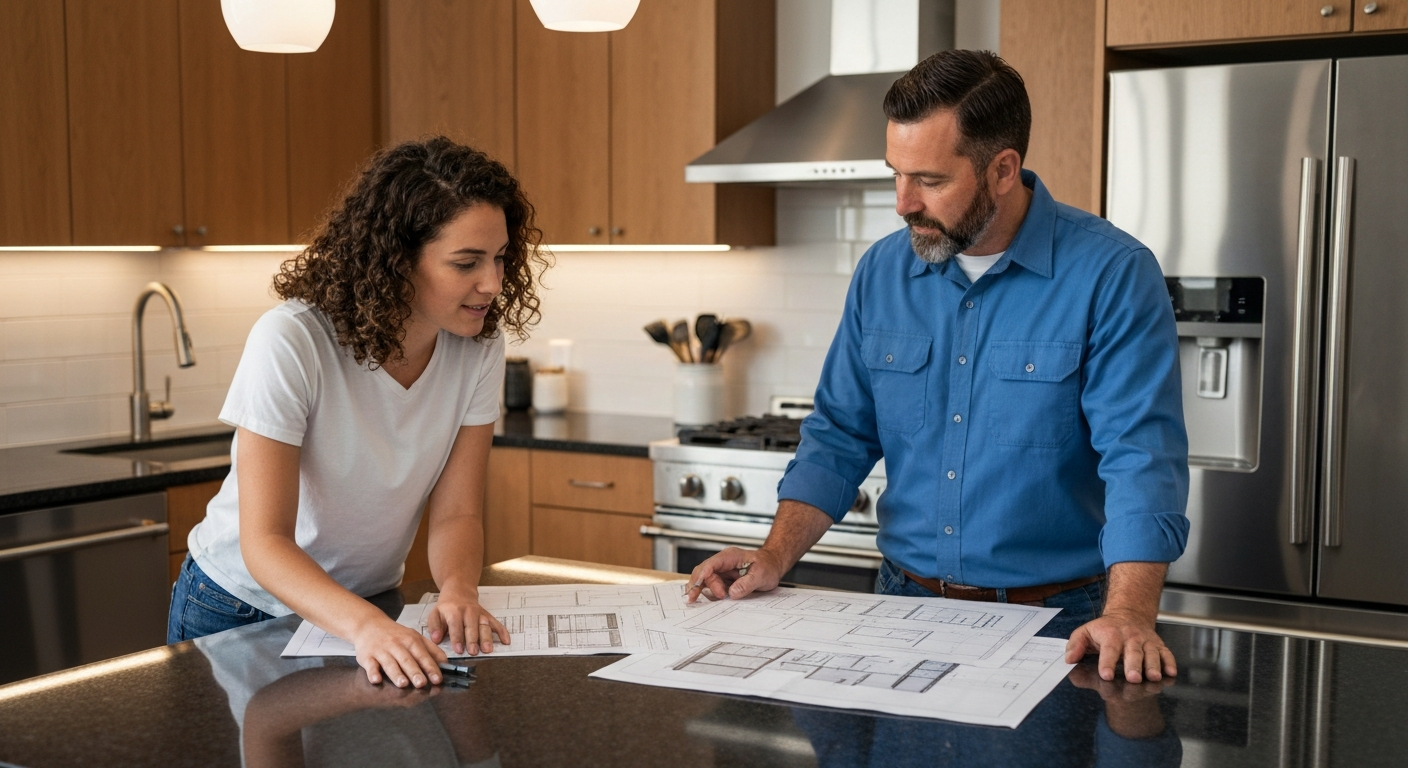
Imagine waking up in a home that perfectly reflects your style, functions flawlessly for your family, and embraces the beautiful indoor-outdoor lifestyle that Southern California is famous for. Sounds like a dream, right?
But for many homeowners, the journey to that dream home feels more like a nightmare. The thought of dealing with strict local building codes, unpredictable costs, and endless construction delays is enough to make anyone put their remodeling plans on hold.
It doesn't have to be this way.
Planning a home renovation in Southern California can be a smooth, exciting, and rewarding experience—if you have the right roadmap. In this comprehensive guide, we'll walk you through exactly how to plan your SoCal home remodel without the stress, from setting a realistic budget to navigating the Coastal Commission and choosing the right design-build team.

Understanding the Southern California Renovation Landscape
Renovating a home in Orange County, Los Angeles, or San Diego is unique. The climate, the architectural history, and the strict environmental regulations all play a massive role in how a project unfolds.
The Impact of Local Climate and Geography
Southern California's climate is incredible, but it requires specific building considerations:
- Seismic Activity: Earthquakes are a reality. Retrofitting and adhering to strict structural codes are non-negotiable.
- Wildfire Zones: Homes in canyon or foothill areas must comply with Wildland-Urban Interface (WUI) codes, which dictate the use of fire-resistant materials.
- Coastal Environments: Salt air accelerates corrosion. If you're near the beach, materials must be specifically chosen to withstand the elements.
Navigating Strict Building Codes
California has some of the most rigorous building codes in the country, particularly concerning energy efficiency. Title 24 energy efficiency standards compliance ensures your home meets state energy standards, affecting everything from your HVAC system to your windows and lighting.
Step 1: Define Your Vision and Goals
Before you start looking at tile samples or calling contractors, you need a crystal-clear vision of what you want to achieve. Are you considering Full House Remodeling or just updating specific spaces?
Identify Your "Why"
Are you renovating to:
- Accommodate a growing family?
- Increase your home's resale value?
- Create a better flow for entertaining?
- Update an aging, inefficient layout?
Create a Needs vs. Wants List
Write down everything you desire, then categorize them:
- Must-Haves: Essential functional updates.
- Nice-to-Haves: Upgrades that improve aesthetics but aren't urgent.
- Dream Items: Luxury additions if the budget allows.

Step 2: Establish a Realistic Budget (and Stick to It)
Money is the number one source of renovation stress. The key to peace of mind is total financial clarity from day one.
How Much Does a SoCal Renovation Cost?
Costs vary wildly based on the scope, materials, and location. However, as a general baseline in Southern California:
- Kitchen Remodels: $50,000 – $150,000+
- Bathroom Remodels: $25,000 – $80,000+
- Full Home Renovations: $150 – $400+ per square foot
- ADU (Accessory Dwelling Unit): $150,000 – $350,000+
The Golden Rule of Renovation Budgets
Always include a 15-20% contingency fund. When you open up walls in older Southern California homes, you often find surprises—outdated knob-and-tube wiring, plumbing leaks, or hidden termite damage. A contingency fund ensures these discoveries don't derail your project.
Ready to discuss your vision? Our team at Venguard Construction can help you establish a realistic budget for your specific project. Schedule your free consultation today.
Step 3: Assemble Your Dream Team
The team you hire will make or break your renovation experience. In Southern California, you generally have two paths: the traditional Architect + General Contractor route, or the Design-Build approach.
The Design-Build Advantage
At Venguard Construction, we strongly advocate for the Design-Build model. Here's why it reduces stress:
- Single Point of Contact: You aren't playing middleman between an architect and a builder.
- Budget Alignment: The design is created with the construction budget in mind, preventing the common issue of falling in love with a design you can't afford to build.
- Faster Timelines: Because the design and construction teams are unified, the transition from blueprints to building is seamless.
Step 4: Master the Permitting Process
Permits are often the most frustrating part of a SoCal renovation. Depending on your city, getting plans approved can take anywhere from a few weeks to several months.
Dealing with the California Coastal Commission
If your home is located near the coast, you may be subject to Coastal Commission regulations. This adds a layer of complexity and time to the approval process. An experienced local contractor will know exactly how to navigate these waters, saving you months of bureaucratic headaches.

Step 5: Design for the Southern California Lifestyle
When designing your space, lean into what makes living in Southern California so special.
Indoor-Outdoor Living
Blur the lines between inside and out. Consider adding:
- Large bi-fold or pocket sliding glass doors.
- Continuous flooring from the living room to the patio.
- A covered outdoor living room or kitchen.
Step 6: Prepare for Construction
Once the permits are pulled and the materials are ordered, construction begins. Preparation is your best defense against stress.
Set Up a Temporary Living Space
If you are living in the home during a kitchen remodel, set up a temporary kitchenette in another room with a microwave, mini-fridge, and coffee maker. If it's a whole-house renovation, consider renting a short-term apartment to avoid the dust and noise entirely.
Conclusion
Planning a home renovation in Southern California doesn't have to be a stressful, chaotic experience. By defining your goals, setting a realistic budget, hiring a unified design-build team, and preparing for the realities of construction, you can navigate the process with confidence.
Your dream home is entirely within reach. It just takes the right planning and the right partners to make it a reality.
Transform Your Space with Expert Craftsmanship
Whether you're planning a full home remodel, an ADU, or a luxury kitchen upgrade, Venguard Construction is here to make the process seamless and stress-free.
Contact us today for a free estimateFrequently Asked Questions
1. How long does a home renovation take in Southern California?
Timelines vary greatly based on scope and permitting. A kitchen remodel typically takes 6-10 weeks, while a full home renovation or ADU can take 4-8 months from design to completion.
2. Do I need a permit to remodel my bathroom in California?
If you are only replacing fixtures (like a toilet or vanity) without moving plumbing or electrical lines, you generally do not need a permit. However, moving walls, plumbing, or electrical will require city permits.
3. What is the most expensive part of a home renovation?
Typically, kitchens and bathrooms are the most expensive rooms to renovate due to the cost of cabinetry, countertops, plumbing fixtures, and specialized labor.
4. How much should I budget for unexpected renovation costs?
We highly recommend setting aside a contingency fund of 15% to 20% of your total budget to cover unforeseen issues like structural repairs, outdated wiring, or plumbing upgrades required by code.
5. Is it better to remodel or buy a new house in Southern California?
With current high interest rates and low housing inventory in SoCal, remodeling is often a much better financial decision. It allows you to customize your current space without the costs of moving, property tax reassessments, and real estate fees.
6. Can I live in my house during a major renovation?
It is possible, but it requires patience. For single-room renovations (like a kitchen), setting up a temporary space works well. For full-home renovations, it is usually faster, safer, and less stressful to temporarily relocate.
7. What is Title 24 and how does it affect my remodel?
Title 24 is California's energy efficiency standard. Any new lighting, windows, HVAC systems, or insulation added during your remodel must meet these strict energy-saving requirements.
8. What is the difference between an architect and a design-build firm?
An architect only designs the project, leaving you to hire and manage a separate general contractor. A design-build firm handles both the architectural design and the physical construction under one roof, resulting in better communication and budget control.
9. Will an ADU increase my property taxes?
Adding an ADU will trigger a blended assessment. Your primary home's tax base remains the same, but the new ADU will be assessed at current market value, slightly increasing your overall property tax.
10. How do I survive a home renovation without stressing out?
The key to a stress-free renovation is thorough planning, hiring a reputable design-build team, maintaining open communication, and having a realistic budget with a healthy contingency fund.