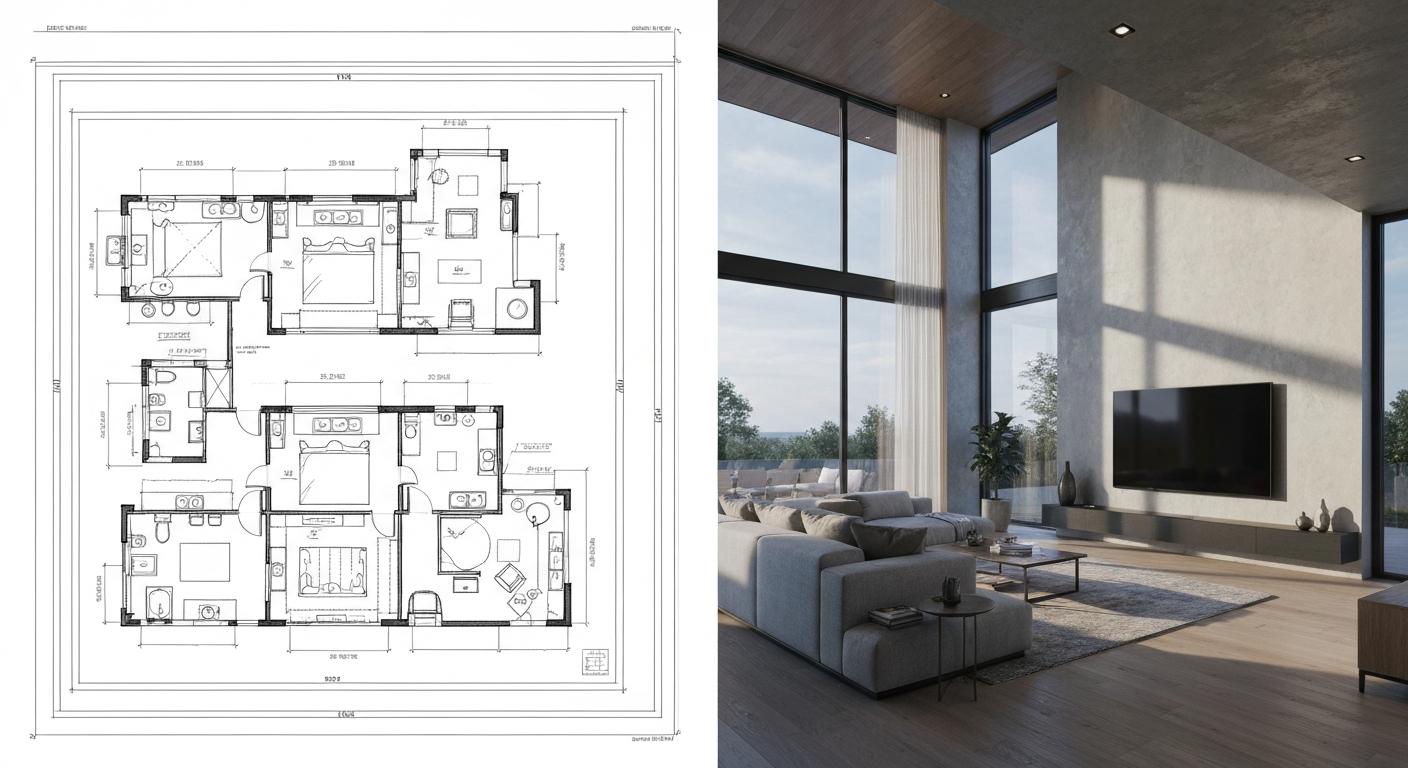
Many renovation problems begin before construction ever starts. Poor planning, unclear budgets, rushed decisions, and choosing the wrong contractor can lead to stress, delays, and unexpected costs.
The good news is that many common renovation mistakes can be avoided with the right preparation.
At Venguard Construction, we believe successful remodeling begins with thoughtful planning, clear expectations, and honest communication.
"The good news is that many common renovation mistakes can be avoided with the right preparation."
Mistake 1: Starting Without a Clear Plan
One of the biggest renovation mistakes is beginning construction before the details are defined.
A strong plan should include:
- • Project goals
- • Scope of work
- • Budget
- • Design direction
- • Material selections
- • Timeline expectations
- • Permit needs
- • Communication process

Without a clear plan, projects are more likely to experience delays, confusion, and change orders.
Mistake 2: Choosing the Lowest Bid Without Comparing Details
A low bid may seem attractive, but it is important to understand what is included. Some estimates for full house remodeling or home additions may leave out important items such as demolition, permits, materials, fixtures, electrical work, plumbing, or finishing details.
Before choosing a contractor, compare scope of work, material quality, labor details, timeline, exclusions, allowances, and change order policies. The cheapest option may not provide the best value.
Mistake 3: Underestimating the Budget
Renovation costs can vary depending on project size, materials, existing conditions, and complexity. Underestimating the budget can create stress later. A realistic budget should include construction costs as well as potential unexpected conditions.
Older homes may reveal issues once walls, floors, or fixtures are removed. Planning with some flexibility can help you handle surprises more calmly.
Mistake 4: Waiting Too Long to Choose Materials
Material selections can affect your renovation schedule. Cabinets, tile, flooring, fixtures, and specialty finishes may require ordering time. Waiting too long to choose materials can delay construction or force rushed decisions.

Mistake 5: Ignoring Function
A renovation should do more than look good. It should improve the way the space works. Before focusing on finishes, think about storage, lighting, layout, traffic flow, seating, privacy, maintenance, and daily routines.
A beautiful room that does not function well may still feel frustrating after the remodel is complete.
Mistake 6: Not Thinking About Long-Term Value
Trendy choices may look appealing now, but your renovation should continue to feel valuable years later. Consider timeless design, durable materials, and quality craftsmanship. Long-term value comes from spaces that are both attractive and practical.
Mistake 7: Hiring Without Checking Communication Style
Your contractor’s communication style matters. If communication is poor before the project begins, it may become worse during construction. Before hiring, pay attention to whether the contractor responds clearly, explains the process, answers questions, provides transparent pricing, sets realistic expectations, and listens to your goals. Good communication helps prevent frustration.
Mistake 8: Overlooking Permits and Requirements
Some renovations require permits or inspections. Ignoring these requirements can create problems later, especially if you sell your home or need future work done. A professional remodeling contractor can help identify when permits may be needed and guide you through the process.
Mistake 9: Making Too Many Changes During Construction
Changes are sometimes necessary, but frequent changes can affect cost and timeline. To reduce changes during construction, make key decisions early. Confirm layout, materials, finishes, and project scope before work starts.
Mistake 10: Not Hiring a Contractor You Trust
Trust is essential during a renovation. Your contractor will be working in your home, managing your investment, and making important decisions throughout the process.
Choose a contractor who values integrity, accountability, quality workmanship, clear communication, transparent pricing, and professionalism. At Venguard Construction, we built our company around these standards because homeowners deserve better than uncertainty and poor workmanship.
Frequently Asked Questions About Renovation Planning
When should I start planning my renovation?
We recommend starting the planning process 3-6 months before you want construction to begin. This allows time for design, material selection, permitting, and scheduling.
How do I avoid going over budget?
The best way to stay on budget is to set a realistic budget from the start, include a 10-20% contingency for unexpected issues, and make all material selections before construction begins to avoid change orders.
What is a change order?
A change order is a formal document that modifies the original scope of work. It can occur if you request a change (like upgrading a material) or if an unexpected issue arises (like finding water damage behind a wall).

Plan Better Before You Build
Avoiding renovation mistakes begins with preparation. With clear goals, realistic budgeting, early material selections, and the right contractor, your project can feel smoother and more successful.
Schedule Your Free Estimate