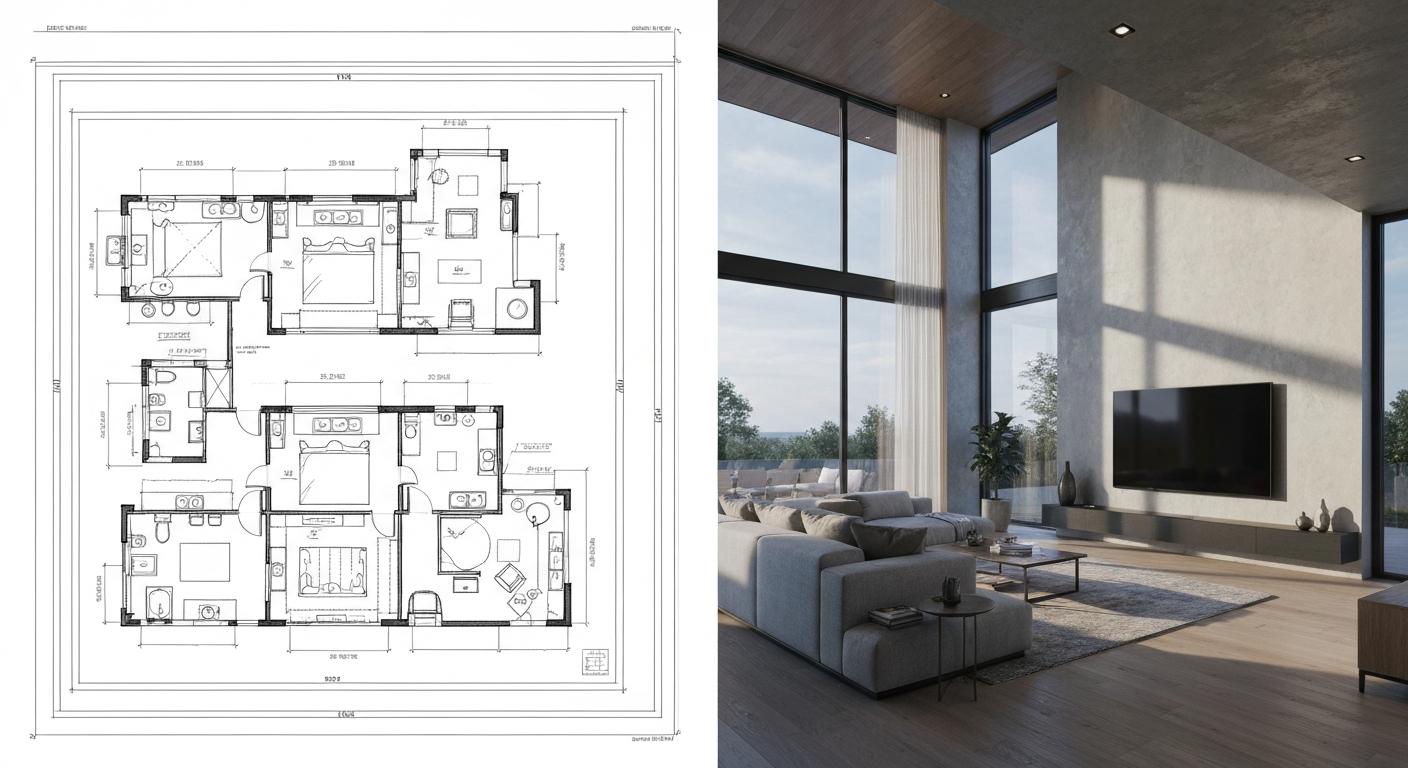
Remodeling your home is a major decision. Whether you are updating one room or transforming your entire property, the process can involve design choices, budget planning, permits, material selections, demolition, construction, and final details.
With the right preparation and team, home remodeling does not have to feel confusing. A clear process can help you make informed decisions and feel confident from start to finish.
At Venguard Construction, we help homeowners create spaces that are functional, beautiful, and built for lasting value.
"A clear process can help you make informed decisions and feel confident from start to finish."
Step 1: Define the Scope of Your Remodel
The first step is deciding what you want to remodel.
Your project may include:
- • Whole-home remodeling
- • Kitchen remodeling
- • Bathroom renovation
- • ADU construction
- • Outdoor living upgrades
- • Home additions
- • Interior improvements
- • Layout changes
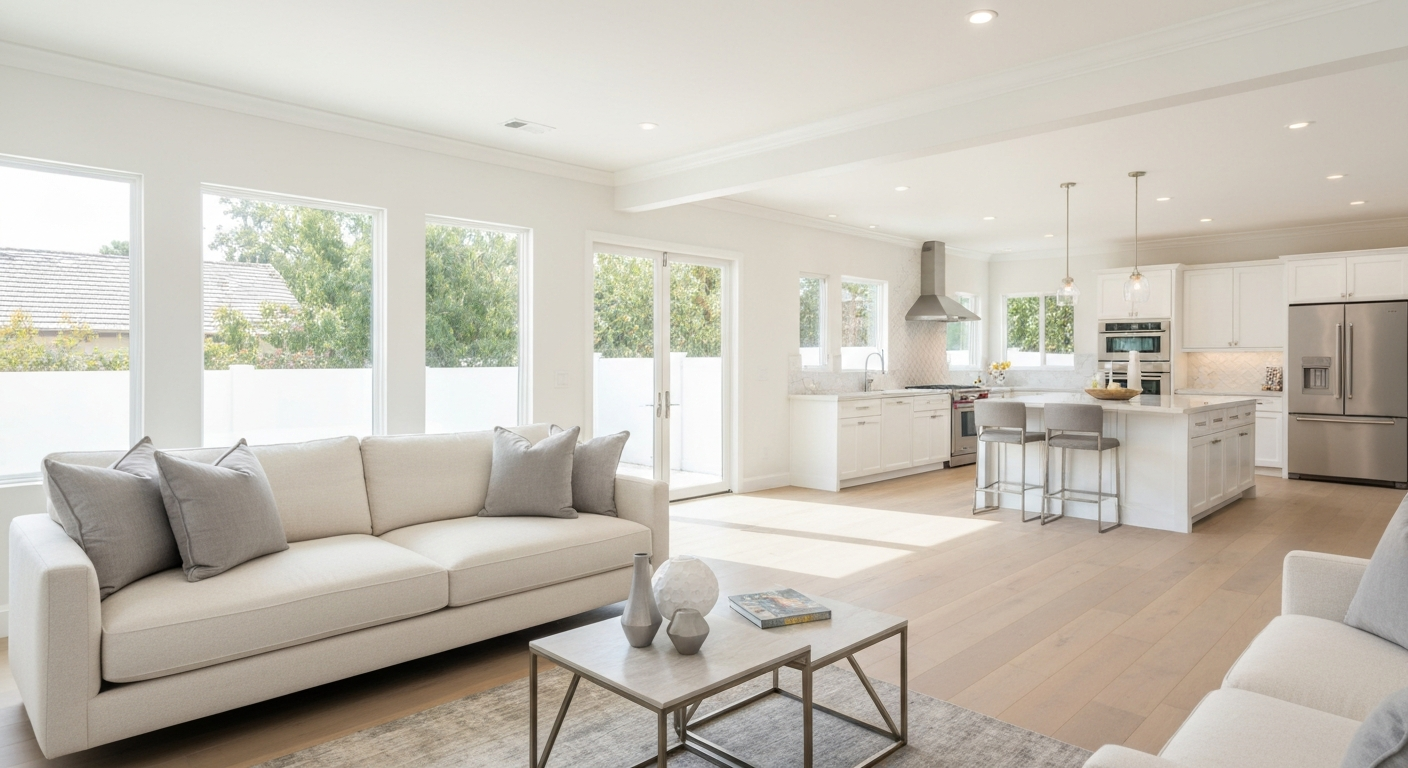
Be specific about what you want to change and why. For example, instead of saying, "I want a new kitchen," think about whether you need more storage, better lighting, a larger island, new cabinets, improved flow, or updated finishes.
Step 2: Identify Your Priorities
Most homeowners have a wish list. The key is knowing which items matter most. Divide your priorities into categories: must-have features, nice-to-have upgrades, long-term goals, budget-sensitive items, and style preferences. This helps guide decisions if trade-offs are needed.
Step 3: Set a Realistic Budget
Your remodeling budget should match your goals, property, and desired finish level. A complete budget may include labor, materials, design, permits, demolition, structural work, plumbing, electrical, HVAC, fixtures, cabinets, flooring, painting, and final finishes.
It is also wise to allow room for unexpected conditions, especially in older homes.
Step 4: Hire the Right Contractor
Your contractor should bring more than tools and labor. They should bring experience, organization, communication, and accountability. Look for a remodeling contractor with licensing and insurance, relevant project experience, clear pricing, strong communication, quality craftsmanship, professional project management, and a proven process.
A trustworthy contractor will help you understand the project before work begins.

Step 5: Create a Thoughtful Design Plan
Good design balances beauty and function. During planning, consider layout, storage, lighting, materials, traffic flow, comfort, durability, maintenance, and long-term value. A remodel should improve the way your home works, not just how it looks.
Step 6: Select Materials Early
Material selections can affect both cost and timeline. Choosing finishes early helps prevent delays. Common selections include cabinets, countertops, flooring, tile, paint colors, fixtures, hardware, lighting, doors, and trim. Your contractor can help guide selections based on your budget, style, and project needs.
Step 7: Understand the Timeline
Every remodeling project is different. Timelines depend on project size, material availability, permits, inspections, and construction complexity. Before work begins, ask your contractor about estimated start dates, project phases, major milestones, possible delays, material lead times, inspection requirements, and final completion expectations.
Step 8: Prepare Your Home
Before construction starts, remove personal items from the work area and protect nearby belongings. If remodeling a kitchen or bathroom, plan temporary alternatives. Preparation may include clearing cabinets, moving furniture, protecting valuables, setting up temporary living areas, planning parking or access, and communicating household routines.
Step 9: Stay Engaged During Construction
You do not need to manage the entire project yourself, but staying engaged is helpful. Pay attention to progress updates, questions from your contractor, change order decisions, material approvals, timeline changes, and walkthroughs. Good communication keeps the project aligned with your expectations.
Step 10: Review the Final Details
At the end of the project, your contractor should walk through the completed work with you. Review finish quality, fixtures, cabinet operation, tile and flooring, paint touch-ups, doors and hardware, lighting, plumbing fixtures, cleanliness, and any final adjustments. A detailed final walkthrough helps ensure the project is completed properly.
Frequently Asked Questions About Home Remodeling
How do I know if I need a permit for my remodel?
In general, cosmetic changes like painting or replacing flooring do not require permits. However, structural changes, electrical work, plumbing modifications, and additions typically do. Your contractor should manage the permitting process for you.
Should I move out during a whole-home remodel?
It depends on the scope of the project. If you are doing a major full house remodel involving the kitchen and multiple bathrooms, it is often safer and less stressful to relocate temporarily. For smaller projects, setting up a temporary kitchen or living space may be sufficient.
How much contingency should I add to my remodeling budget?
We recommend setting aside a contingency of 10% to 20% of the total project cost. This covers unexpected issues, such as hidden water damage or electrical upgrades required to meet current building codes, which are common in older homes.
Remodel With Confidence
The key to remodeling with confidence is choosing a team that values planning, communication, craftsmanship, and accountability. At Venguard Construction, we help homeowners move through the remodeling process with clarity and care.
Schedule Your Free Estimate