When planning a home renovation, one of the first decisions you may face is how to manage the project. Should you hire separate designers and contractors, or work with one design-build remodeling team?
Both approaches can work, but they create very different experiences.
Construction Approaches
Streamlining Your Renovation
At Venguard Construction, we believe a streamlined design-build process can make renovation easier, clearer, and more efficient for many homeowners. Let's compare the two methods so you can choose the best path for your Southern California home.
Traditional Remodeling
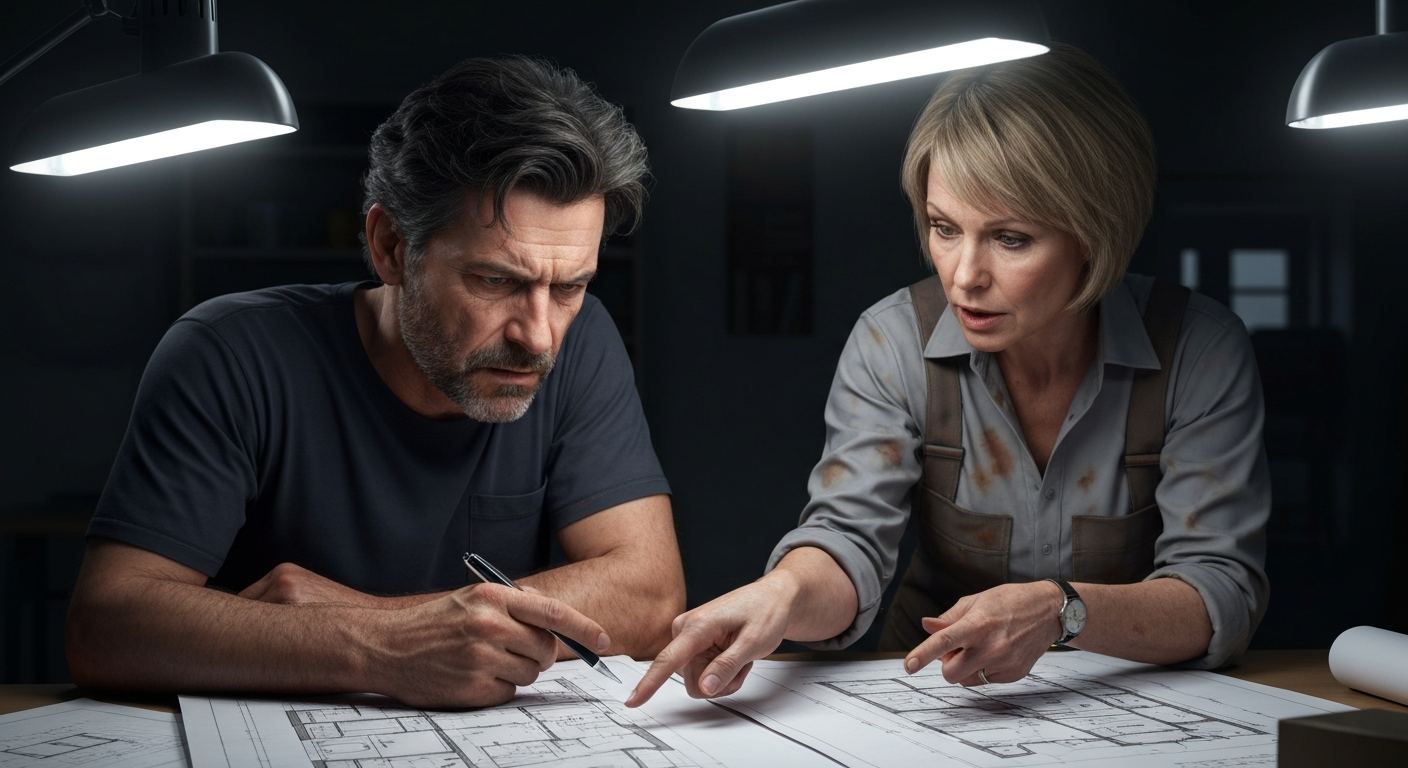
Usually separates design and construction. A homeowner first hires a designer or architect to create plans, then later hires a contractor to build the project.
Common Challenges:
- ✗Budget confusion (plans exceed construction budget)
- ✗Communication gaps between architect and builder
- ✗Delays between planning and construction phases
- ✗Finger-pointing when problems arise
- ✗More responsibility placed on the homeowner
Design-Build Remodeling
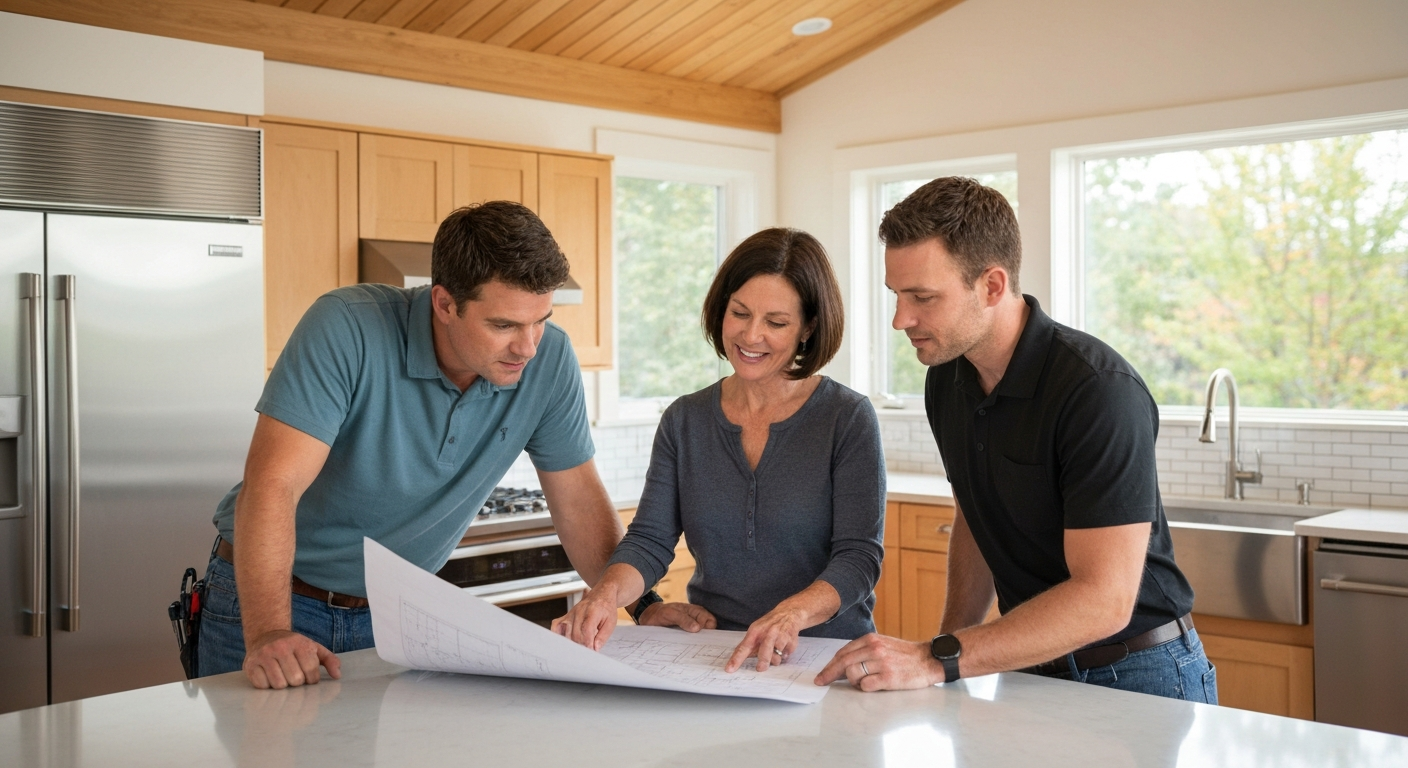
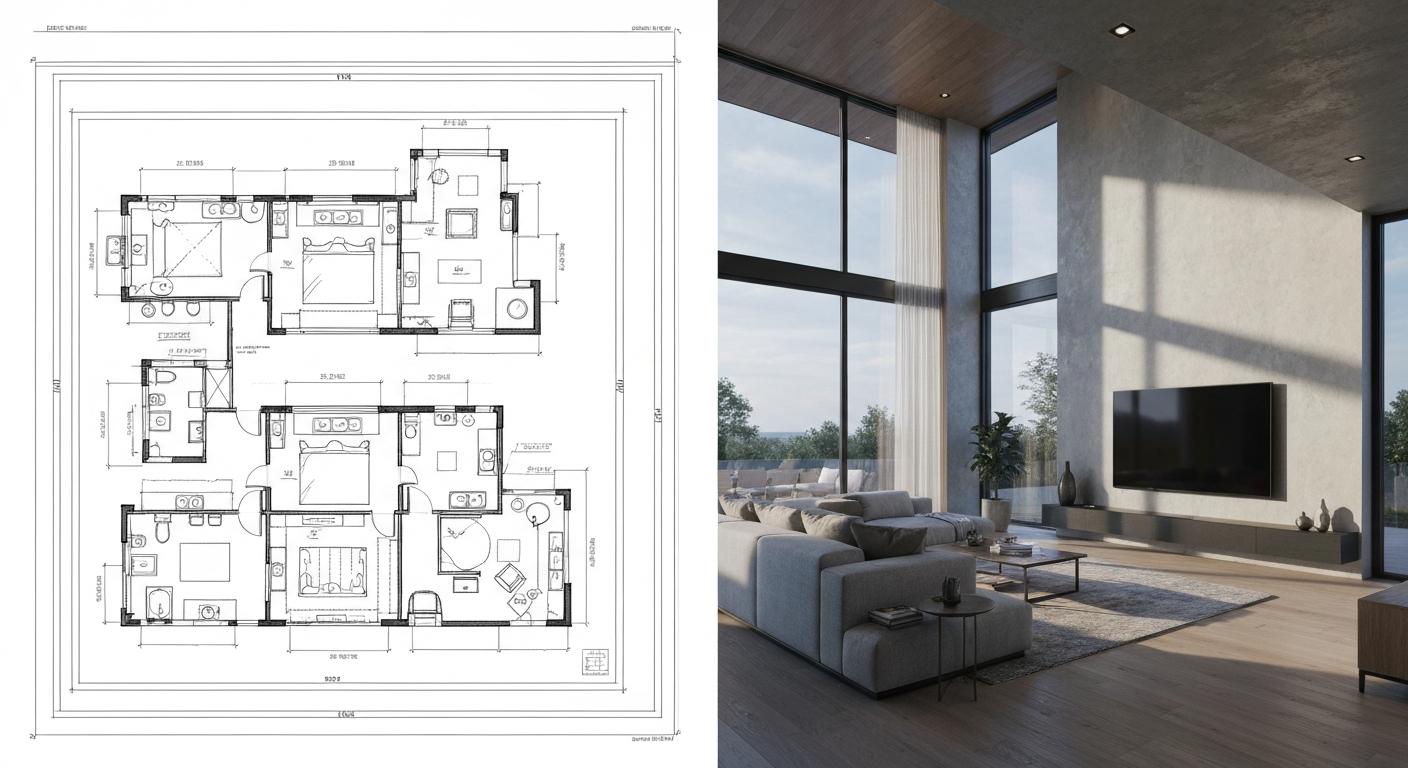
Brings planning, design, and construction together under one team. Instead of hiring separate companies, you work with one contractor from concept to completion.
Key Advantages:
- ✓Unified project planning & layout ideas
- ✓Realistic budget guidance from day one
- ✓Seamless material selection & permitting
- ✓Integrated construction scheduling
- ✓Single point of accountability
Benefit 1
One Team From Start to Finish
One of the biggest advantages of design-build remodeling is having one trusted team responsible for the project. This creates better continuity because the people helping you plan the project are also involved in building it.
Instead of coordinating between separate designers, contractors, and trades, you have a more streamlined experience with one point of accountability.

Core Advantages
Why Design-Build Simplifies Renovation
Better Budget Alignment
In traditional remodeling, homeowners may approve a design before knowing the full construction cost, leading to disappointment. With design-build, budget conversations happen earlier. Construction knowledge is part of the planning process, helping you understand how layout changes, materials, and complexity affect the overall investment.
Clearer Communication
Communication is easier when everyone works together. A design-build team reduces confusion by connecting planning and construction. This avoids misunderstood design details, incomplete project scopes, conflicting recommendations, and delayed decisions.
More Efficient Project Planning
Because design-build teams understand both design intent and construction execution, they can identify potential issues earlier—such as structural limitations, plumbing constraints, electrical needs, material lead times, and permitting considerations. Catching these early prevents delays.
Stronger Accountability
When separate professionals are involved, it can be unclear who is responsible when problems arise. With design-build, accountability is direct. One team guides the project from planning through completion. At Venguard Construction, this means clear expectations and a commitment to doing the work right.
Which Approach Is Right for Your Renovation?
The best approach depends on your goals, project size, budget, and desired level of involvement. Traditional remodeling may make sense if you already have completed architectural plans or are working on a highly specialized project.
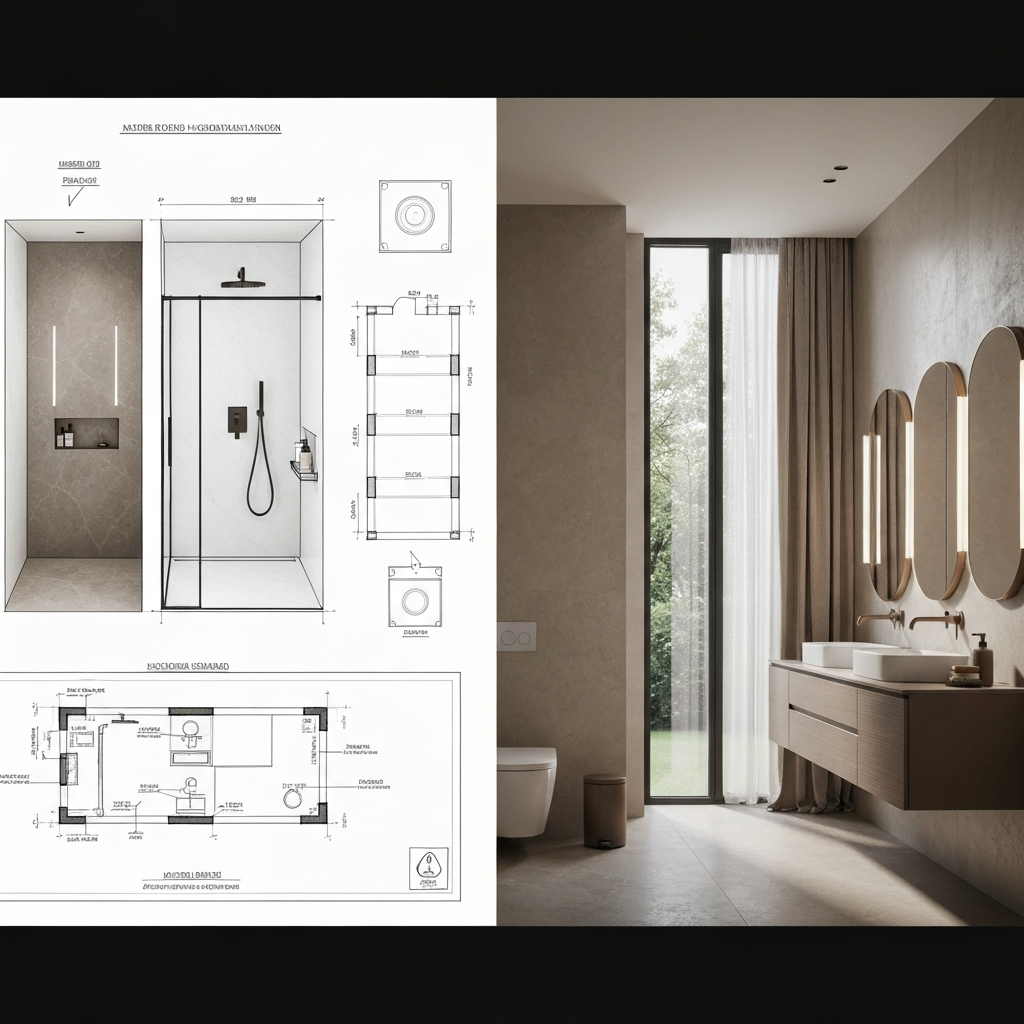
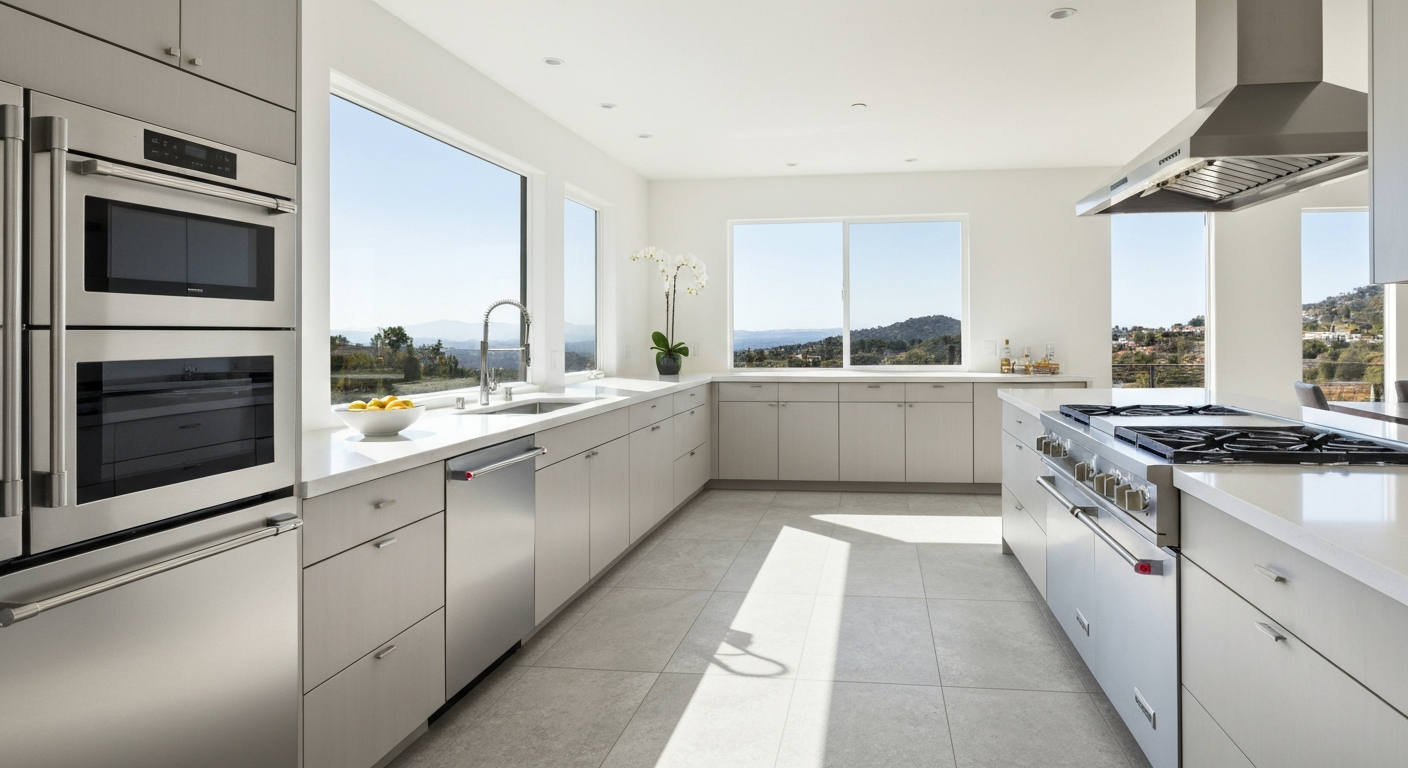
The Finished Result
Seamless execution from concept to completion

A Trusted Partnership
Building relationships, not just homes
Design-build is likely the better fit if you want:
- ✓A Streamlined Process
Fewer moving parts and a single point of contact.
- ✓One Team Managing the Project
Designers and builders working in perfect harmony.
- ✓Better Communication
No more acting as a middleman between architect and contractor.
- ✓Budget Guidance Early
Know the real costs before you fall in love with a design.
- ✓Less Homeowner Coordination
We handle the logistics so you can focus on the fun parts.
- ✓A Smoother Path
From initial concept to the final walkthrough, efficiently executed.
Frequently Asked Questions
What is the main difference between design-build and traditional remodeling?
In traditional remodeling, you hire a designer or architect first, then bid the project out to contractors. In design-build, a single team handles both the design and construction, providing a unified workflow and a single point of accountability.
Is design-build more expensive than traditional remodeling?
Not necessarily. While the initial design fee might seem bundled, design-build often saves money overall by reducing change orders, preventing costly design revisions, and shortening the project timeline.
Can I use my own architect with a design-build firm?
Some design-build firms will work with outside architects, essentially transitioning into a traditional general contractor role. However, to get the full benefits of the design-build process, it's usually best to use their in-house design team.
How does design-build save time?
Design-build saves time by overlapping the design and construction phases. Materials can be ordered and permits can be secured while the final design details are being wrapped up, eliminating the long bidding phase.
Who handles the permits in a design-build project?
The design-build firm handles all permitting. Since the team designing the project is the same team building it, they ensure the plans meet all local building codes and manage the city approval process from start to finish.
Take the Next Step
Ready for a Streamlined Remodeling Experience?
A successful renovation requires clear planning, strong communication, and skilled construction. With our design-build approach, we help you move from idea to finished space with clarity, confidence, and zero stress.