Choosing new flooring can be confusing, especially when different products seem to have different names for essentially the same thing. You may have heard terms like LVP, vinyl plank, luxury vinyl, and luxury vinyl plank flooring while researching your next renovation. So, what actually separates them?
At Venguard Construction, we know that choosing flooring is about more than picking a color or wood-look pattern. The right flooring needs to work with your home, your lifestyle, your budget, and the demands of the space where it will be installed. In this guide, we'll break down the differences between LVP, vinyl plank, and luxury vinyl flooring so you can make a more informed decision for your next project.
What Is Vinyl Flooring?
Vinyl flooring is a manufactured flooring material designed to provide a durable, practical alternative to traditional flooring options such as hardwood, stone, and ceramic tile. Modern vinyl flooring can be manufactured in a wide range of colors, textures, patterns, and plank sizes. Many products are designed to replicate the appearance of natural wood or stone while requiring less maintenance than some traditional materials.
The term "vinyl flooring" covers a broad category of products. That's where some of the confusion begins. Not every vinyl floor is LVP, and not every product marketed as luxury vinyl has exactly the same construction.
What Does LVP Mean?
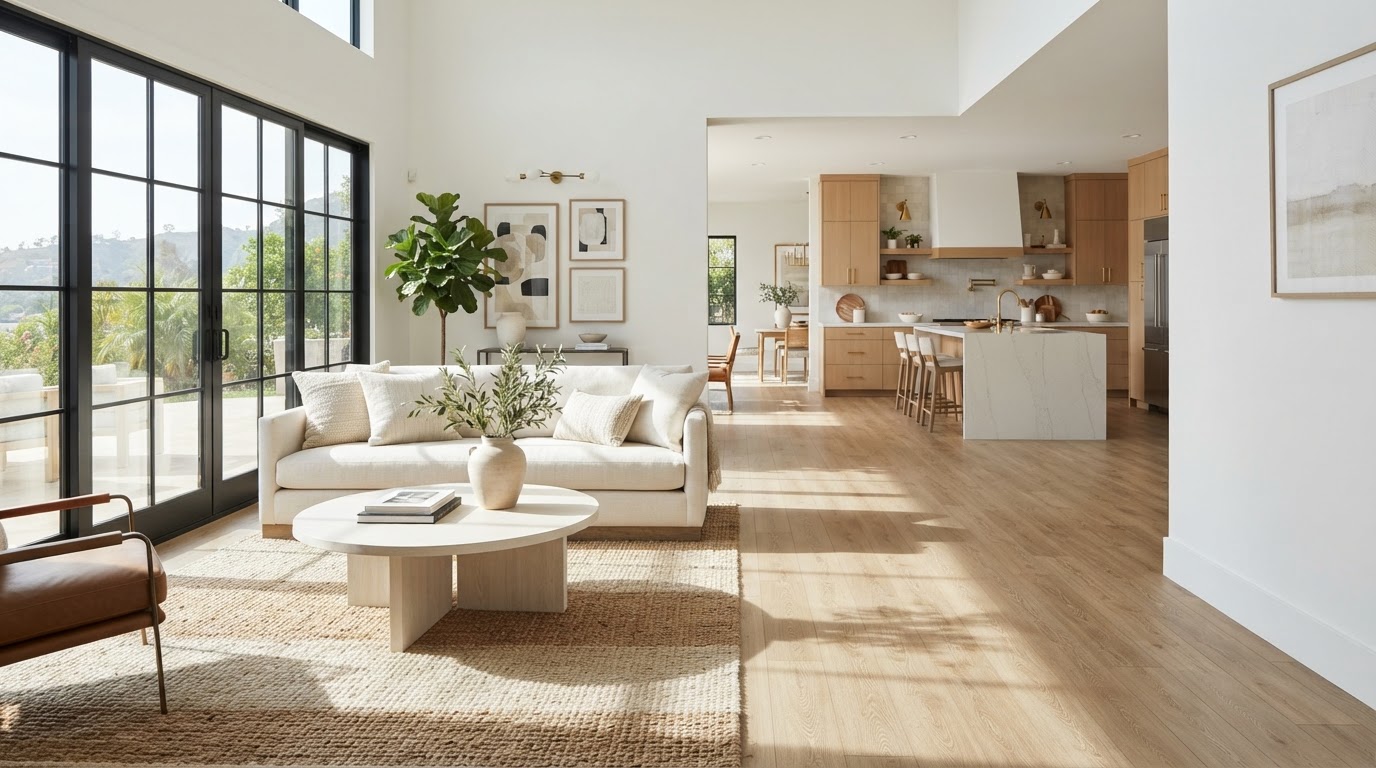
LVP stands for Luxury Vinyl Plank. LVP is a type of luxury vinyl flooring manufactured in a plank format. Its appearance is commonly designed to resemble hardwood flooring, with individual planks creating a wood-floor look. Depending on the product, LVP can feature realistic grain patterns, textured surfaces, multiple layers, and protective wear layers designed to help the flooring withstand everyday use.
One of the biggest reasons homeowners choose LVP is its combination of appearance and practicality.
Common Characteristics of LVP
Wood-look designs
Plank-shaped pieces
Durable wear layers
Easy everyday maintenance
Moisture resistance vs. many wood products
A wide range of colors and styles
Options for many residential applications
The exact performance of an LVP floor depends on the specific product, its construction, installation method, and the conditions of the room.
What Is Vinyl Plank Flooring?
"Vinyl plank" is a broader term. It generally refers to vinyl flooring manufactured in long, plank-shaped pieces. Some vinyl plank products fall into the luxury vinyl category, while others may have simpler construction or different specifications. In other words, LVP is vinyl plank flooring, but the term vinyl plank can refer to a wider range of products.
This is why looking only at the name on a product listing isn't always enough. When comparing flooring, it's important to look at the actual specifications, including thickness, wear layer, core construction, installation system, and manufacturer requirements. For a deeper look at how flooring materials compare, see our bathroom flooring guide.
What Is Luxury Vinyl Flooring?
Luxury vinyl flooring is a category of higher-quality vinyl flooring products designed to provide improved appearance, construction, and performance compared with basic vinyl flooring. Luxury vinyl can come in different formats, most commonly:
Luxury Vinyl Plank (LVP)
Typically designed to resemble hardwood. Plank-shaped pieces create a convincing wood-floor look with realistic grain and texture.
Luxury Vinyl Tile (LVT)
Typically designed to resemble stone, ceramic, or other tile surfaces. Manufactured in tile-shaped pieces for a stone or tile aesthetic.
This means "luxury vinyl" isn't necessarily one particular shape or product. Think of it this way: luxury vinyl is the broader category, LVP is luxury vinyl in a plank format, and LVT is luxury vinyl in a tile format.
LVP vs. Vinyl Plank: Are They the Same?
Often, the terms are used interchangeably, but there can be an important distinction. Two products may both be called vinyl plank while having different construction, thickness, wear layers, warranties, and installation requirements. That's why Venguard Construction recommends evaluating the product itself rather than relying solely on the terminology used in a product description.
| Term | Meaning | Scope |
|---|---|---|
| LVP | Luxury Vinyl Plank | A specific luxury vinyl product in plank form |
| Vinyl Plank | Any vinyl flooring in plank-shaped pieces | A broader category that includes LVP and simpler products |
| Luxury Vinyl | Higher-quality vinyl flooring category | The umbrella that includes both LVP and LVT |
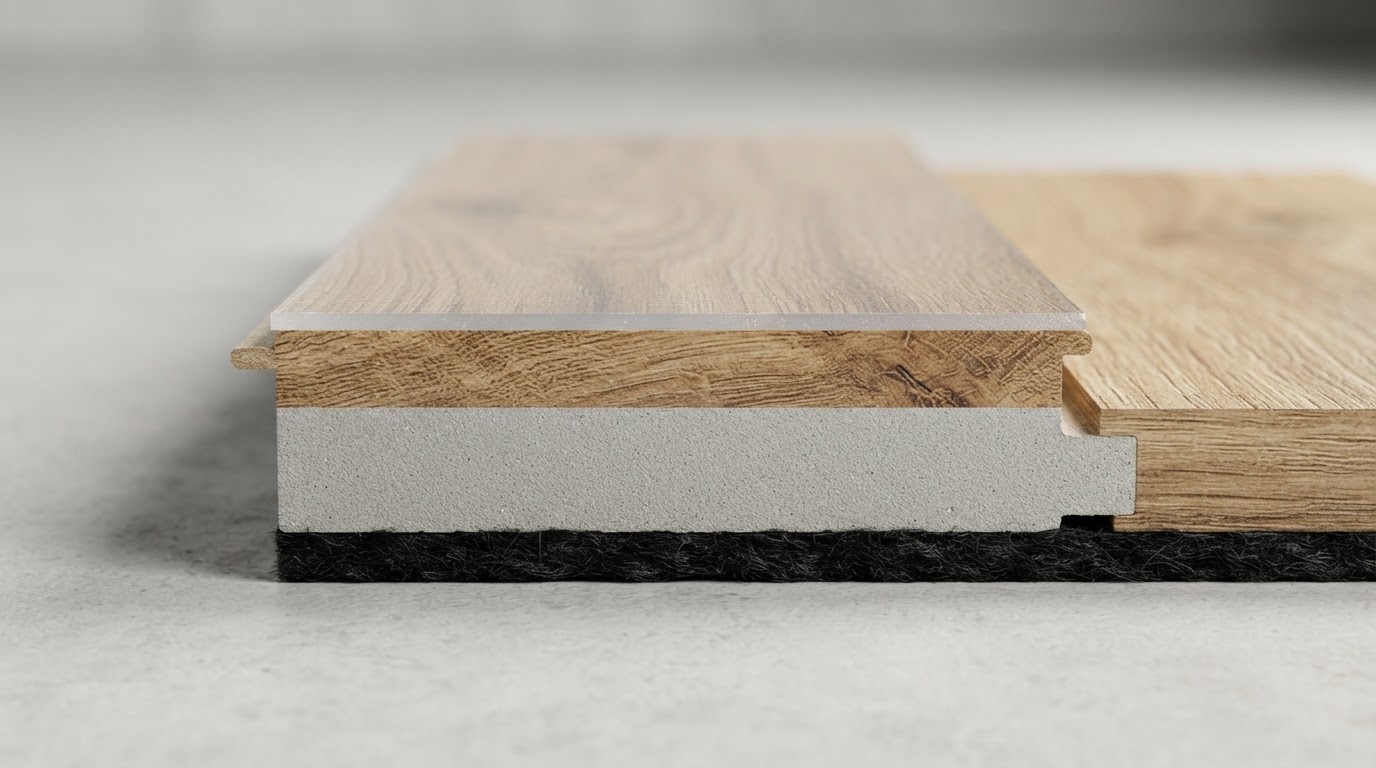
LVP construction typically combines a wear layer, decorative layer, core, and backing into one engineered product.
How Is LVP Constructed?
While construction varies by manufacturer, many LVP products are made with several functional layers. Each layer has a specific job, and the quality of the entire system—not just the top surface—determines how the floor performs over time.
1. Wear Layer
The wear layer sits near the top of the flooring and helps protect the decorative surface from everyday wear. A thicker or more robust wear layer can be an important consideration in areas that experience significant foot traffic.
2. Decorative Layer
This layer provides the visual design. Modern manufacturing techniques can create remarkably detailed wood and stone appearances, allowing vinyl flooring to complement a wide range of interior styles.
3. Core Layer
The core contributes to the flooring's structure and performance. Different products use different types of cores, so it's important to check the manufacturer's specifications before choosing a floor for a particular room.
4. Backing or Underlayment
Some flooring products include an attached backing or underlayment. Others may require a separate underlayment depending on the installation system and the condition of the subfloor. This is one reason professional installation can make such a difference: the flooring product is only one part of the overall system.
Is LVP Waterproof?
You'll often see LVP advertised as waterproof or water-resistant, but these terms shouldn't automatically be treated as interchangeable. A particular product may be designed to withstand moisture exposure, but the performance of the finished floor also depends on the seams, installation, subfloor, transitions, and surrounding construction. For areas where moisture is a concern, it's important to select a product specifically rated for the intended application and install it according to the manufacturer's requirements.
Where Can You Use LVP?
Living rooms
Bedrooms
Hallways
Kitchens
Dining areas
Entryways
Home offices
Certain products may also be appropriate for other areas, but the flooring specifications and installation requirements should always be checked first. For rooms exposed to substantial moisture, temperature changes, or unusual conditions, selecting the right product and installation system becomes particularly important.
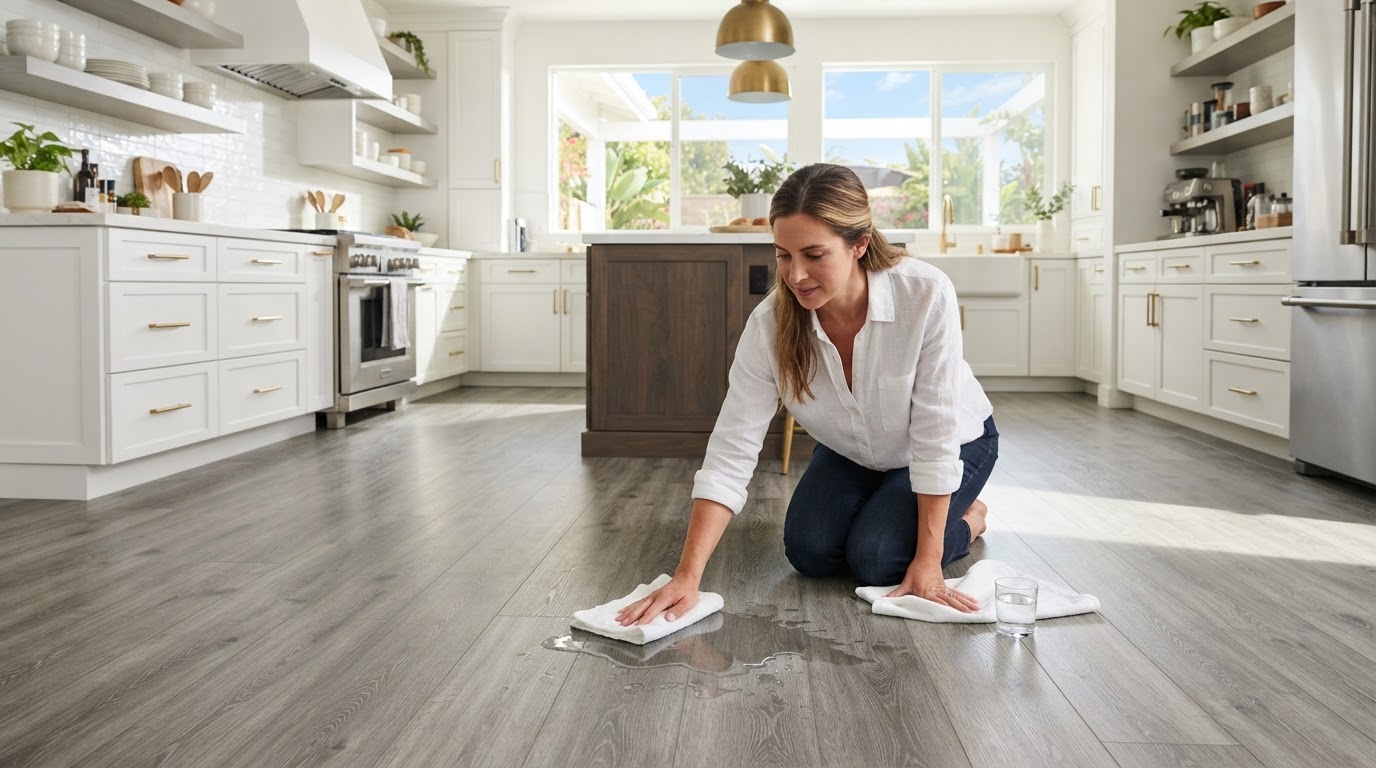
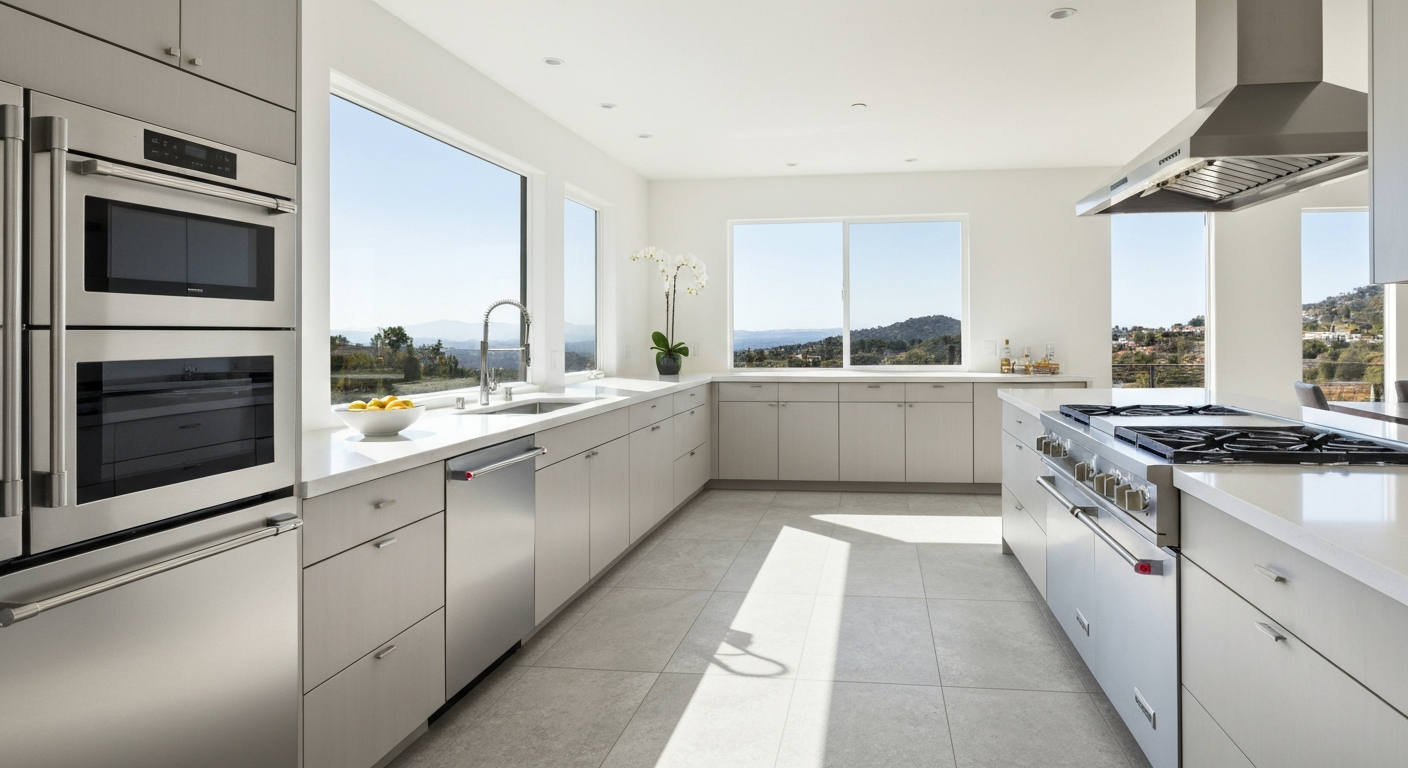
Many LVP products offer moisture-resistant characteristics that make them attractive for kitchens and other busy areas.
Advantages of LVP Flooring
1. A Wide Range of Styles
LVP is available in numerous colors, patterns, textures, and plank dimensions. That makes it possible to create anything from a traditional wood-inspired interior to a modern, minimalist design.
2. Relatively Easy Maintenance
Many vinyl floors can be maintained with routine sweeping, vacuuming, and manufacturer-approved cleaning products. Unlike natural wood, vinyl doesn't require the same type of refinishing process.
3. Durability
Quality flooring can stand up well to everyday household activity when properly selected and installed. However, durability isn't determined by the word "luxury" alone. Product specifications matter.
4. Moisture Performance
Many LVP products offer moisture-resistant characteristics that make them attractive for areas where traditional hardwood may require additional consideration. Always check the manufacturer's rating before installing flooring in a moisture-prone space.
5. Design Flexibility
Because LVP can reproduce the visual character of wood in many different styles, it can work with virtually any interior design direction.
Potential Drawbacks to Consider
No flooring material is perfect for every project. Before choosing LVP, homeowners should also consider a few important factors.
Subfloor Preparation
A vinyl floor may look beautiful, but imperfections underneath can affect the finished installation. The subfloor may need to be cleaned, leveled, repaired, or otherwise prepared before installation.
Product Quality Varies
Not all vinyl flooring products are manufactured to the same specifications. Thickness, wear layer, core construction, locking mechanism, warranty, and installation requirements can all vary.
It Isn't Real Hardwood
LVP can provide a convincing wood appearance, but it is still a manufactured flooring product. If your priority is authentic natural wood that can potentially be refinished over time, hardwood may be worth considering instead.
Installation Matters
Even a high-quality flooring product can perform poorly when installed incorrectly. Expansion requirements, transitions, subfloor conditions, moisture considerations, and manufacturer specifications all need to be accounted for during installation.
LVP vs. Hardwood Flooring
One of the most common comparisons homeowners make is LVP versus hardwood. Hardwood offers the natural character of real wood, while LVP offers a manufactured alternative with different maintenance and performance characteristics. The right choice depends on what matters most for your project.
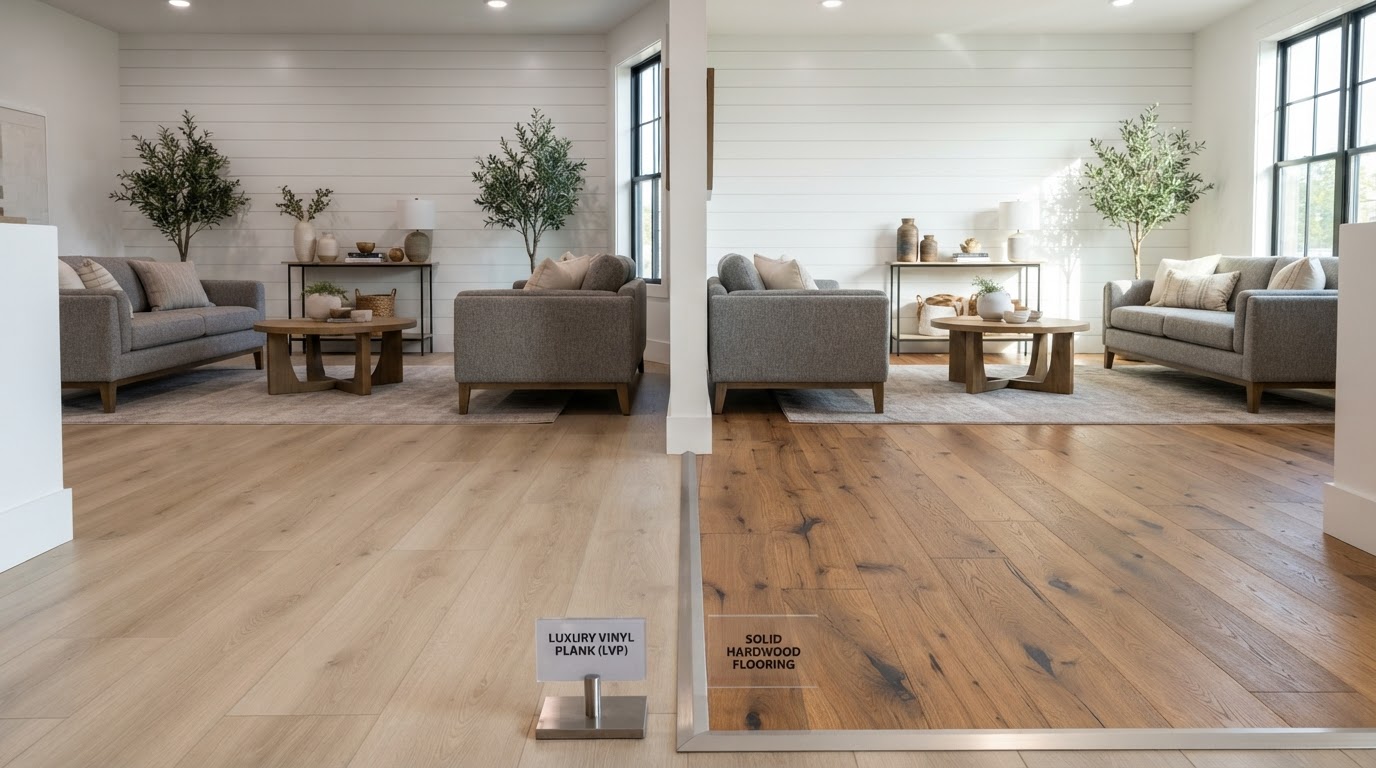
Hardwood offers authentic natural character; LVP offers a convincing, lower-maintenance manufactured alternative.
Consider Hardwood if you want
- • Genuine natural wood
- • Natural variation and character
- • A traditional premium flooring material
- • The possibility of refinishing certain products
Consider LVP if you want
- • Wood-inspired appearance
- • Easier routine maintenance
- • A wide selection of designs
- • Strong moisture-related performance
- • A practical option for busy areas
Neither material is automatically right for every home. The room, subfloor, lifestyle, budget, and long-term goals should all be considered. Learn how flooring fits into the bigger picture in our bathroom remodel planning guide.
How Should You Choose Between Different LVP Products?
Instead of choosing flooring based only on its color, look at the complete product. Here are several factors worth comparing before you commit to a floor.
| Factor | Why It Matters |
|---|---|
| Wear Layer | An important consideration for areas with frequent foot traffic. |
| Overall Thickness | Affects how the product feels and performs—but thicker doesn't automatically mean better. The construction of the entire flooring system matters. |
| Core Construction | Compare the type of core used and review the manufacturer's specifications for your intended application. |
| Installation Method | Some products use click-lock systems, while others are designed for glue-down or other methods. Your subfloor and room conditions can influence which is appropriate. |
| Warranty | Review what the warranty actually covers, including limitations and installation requirements. |
| Appearance | Choose a design that works with your home's architecture, existing finishes, and overall style. |
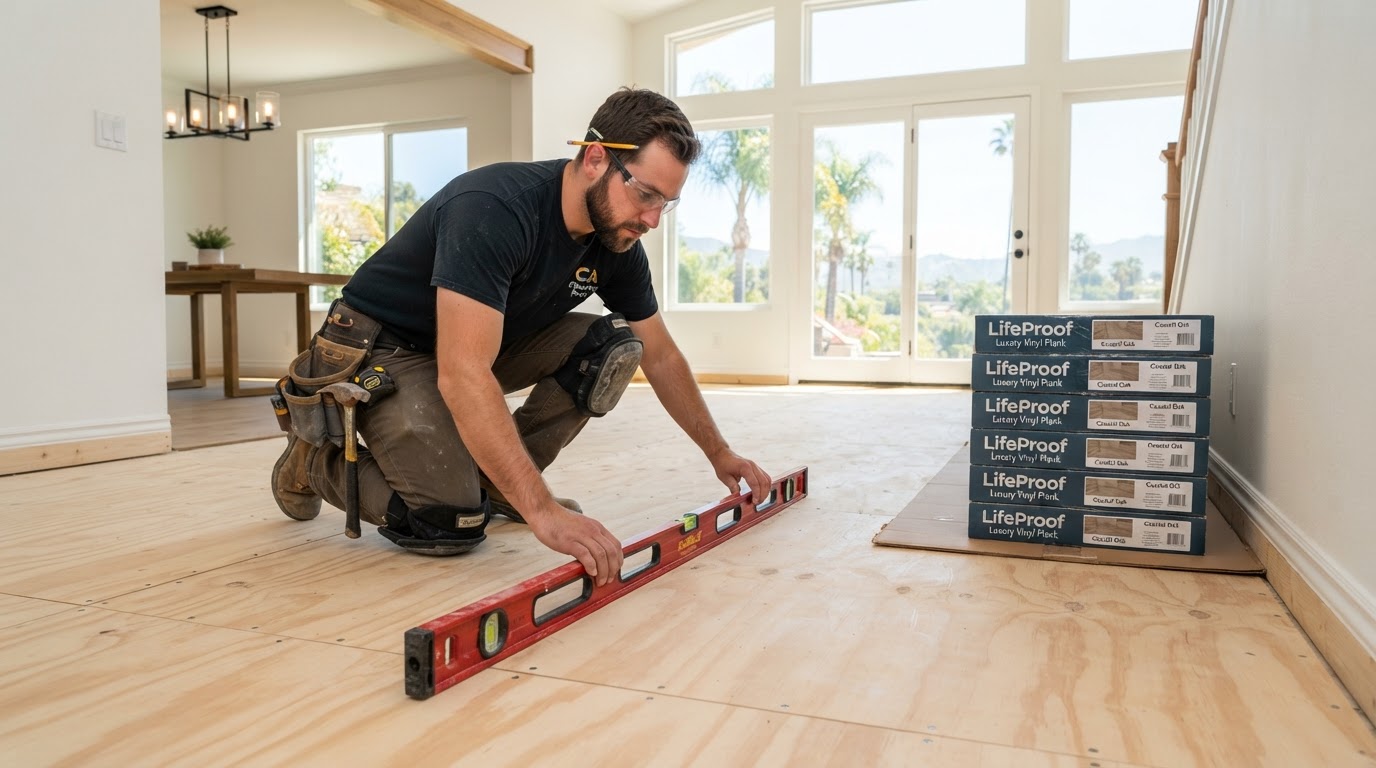
A good-looking floor starts with a properly prepared surface beneath it.
Does Professional Installation Matter?
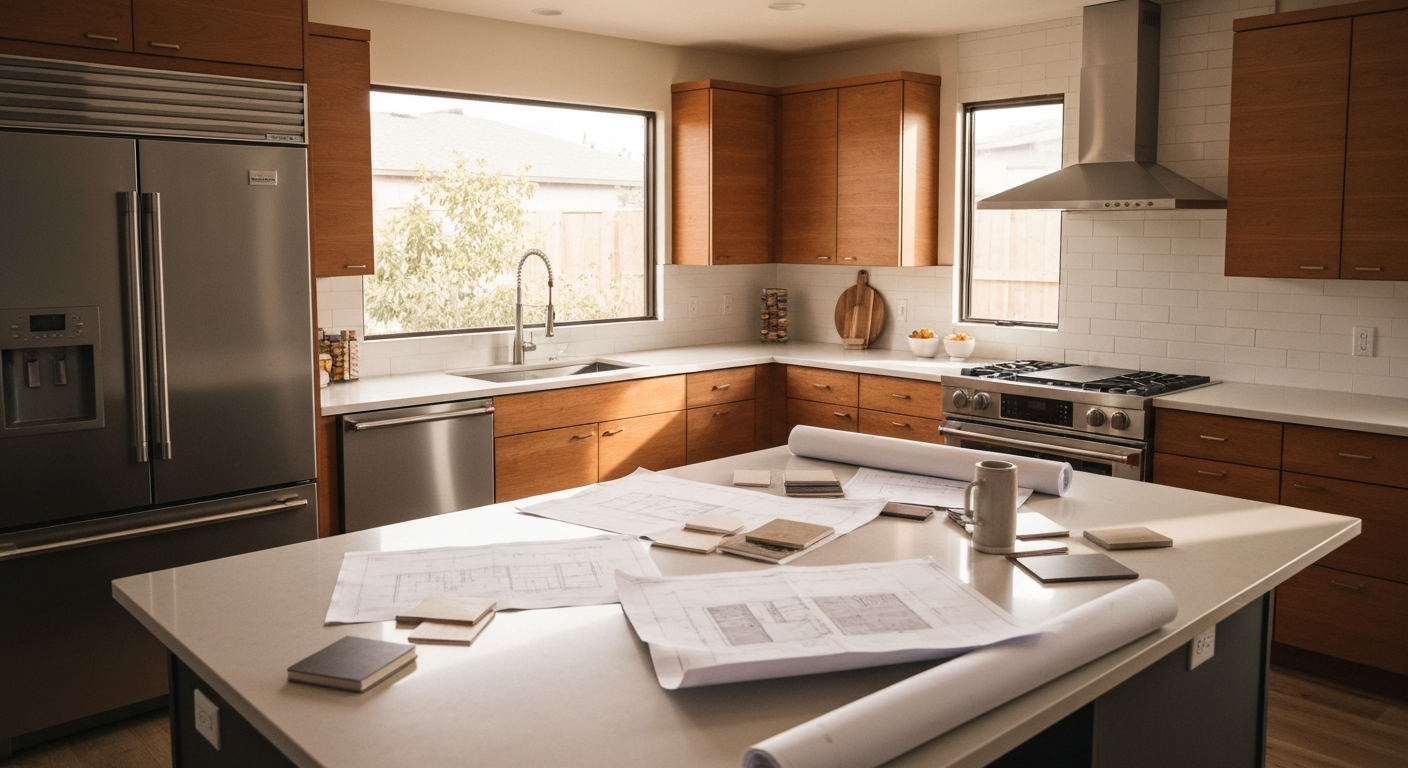
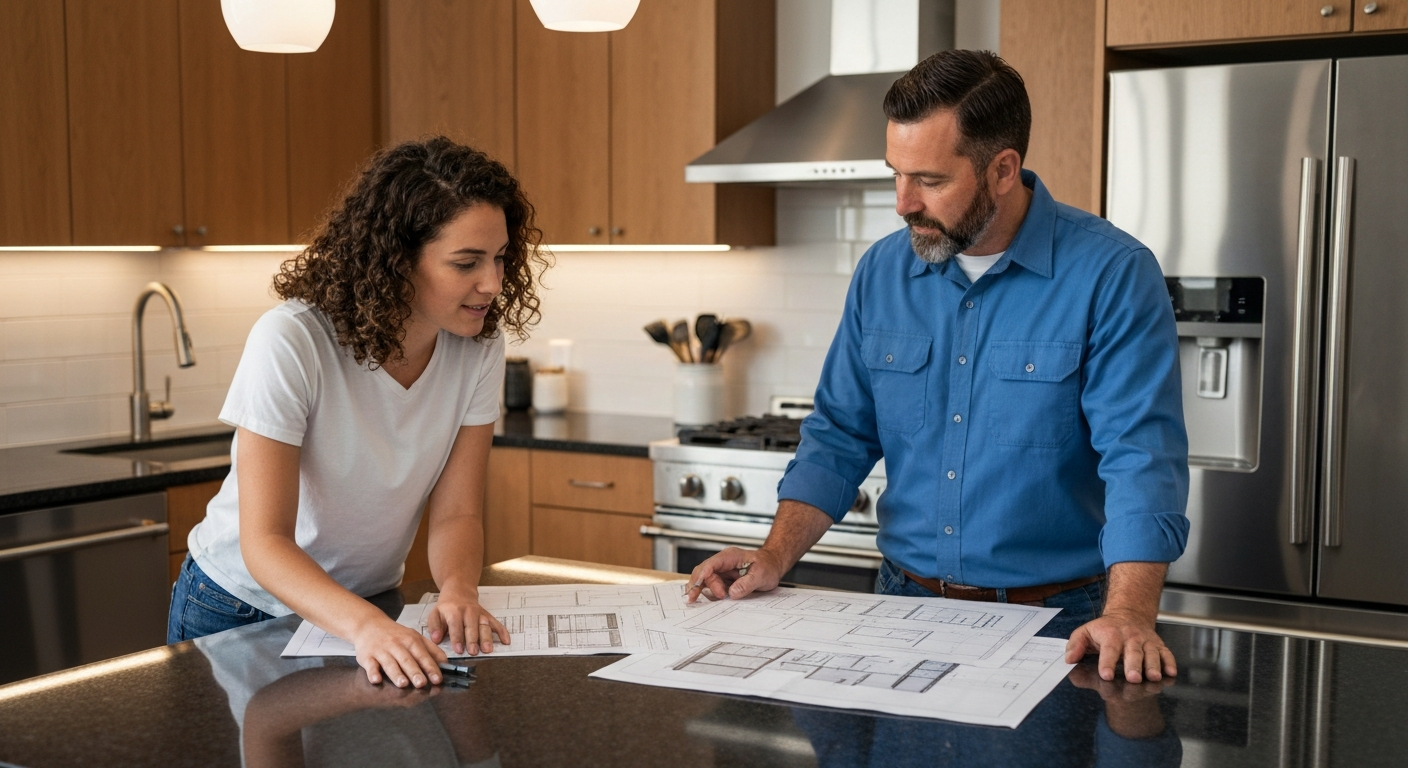
Absolutely. Flooring installation isn't simply a matter of putting planks on the floor. Before installation begins, the existing flooring may need to be removed, the subfloor inspected, and any necessary preparation completed. Measurements, transitions, door clearances, installation direction, and manufacturer requirements may also need to be considered.
At Venguard Construction, we approach flooring as part of the larger construction and remodeling system rather than treating it as an isolated finish. A good-looking floor starts with a properly prepared surface. For a full-picture look at how a project comes together, read our home renovation planning guide.
The Bottom Line: LVP, Vinyl Plank, or Luxury Vinyl?
The terminology can make flooring shopping seem more complicated than it really is. The key distinction is that LVP stands for Luxury Vinyl Plank, while vinyl plank is a broader description for plank-shaped vinyl flooring. Luxury vinyl is the broader category that can include both plank and tile formats.
When you're comparing products, don't stop at the name. Look at the construction, wear layer, core, installation requirements, moisture rating, warranty, and suitability for the specific room. And remember: choosing the right flooring is only half the project. Proper subfloor preparation and professional installation can have a major impact on how the finished floor looks and performs.
Planning a Flooring or Remodeling Project?
Whether you're replacing outdated flooring, updating a single room, or completing a larger renovation, Venguard Construction can help you approach the project from the right starting point. The best flooring choice isn't simply the one that looks good in a sample. It's the one that works with the space, the construction underneath it, and the way you actually use your home.
Talk with Venguard Construction about your next flooring or remodeling project and build your renovation on a solid foundation.
Related Bathroom Remodeling Resources
Frequently Asked Questions
What is the difference between LVP and vinyl plank?+
LVP specifically identifies a luxury vinyl plank product, while vinyl plank is a broader term for any vinyl flooring made in plank-shaped pieces. LVP is a type of vinyl plank, but not every vinyl plank is a luxury-grade product.
Is luxury vinyl the same as LVP?+
Not exactly. Luxury vinyl is the broader category of higher-quality vinyl flooring, which includes both LVP (plank format) and LVT (tile format). LVP is simply luxury vinyl manufactured in a plank shape.
Is LVP waterproof?+
Many LVP products are rated as waterproof or water-resistant, but performance depends on the seams, installation, subfloor, and surrounding construction. Always verify the manufacturer's rating for your intended application.
Can LVP look like real hardwood?+
Yes. Modern manufacturing and embossing technology can create remarkably detailed wood grain, texture, and color variation. Many homeowners find it difficult to distinguish quality LVP from genuine hardwood without close inspection.
Is LVP better than hardwood?+
Neither is universally better. Hardwood offers authentic natural character and the possibility of refinishing, while LVP offers easier maintenance, moisture resistance, and a wider selection of designs. The right choice depends on the room, lifestyle, and budget.
What should I look for when choosing an LVP product?+
Look beyond the name and compare the wear layer, overall thickness, core construction, installation method, warranty, and appearance. Product specifications—not the label—determine how the floor will perform.
Does professional installation matter for LVP?+
Yes. Even high-quality LVP can perform poorly when installed incorrectly. Subfloor preparation, expansion requirements, transitions, door clearances, and manufacturer specifications all need to be accounted for during installation.